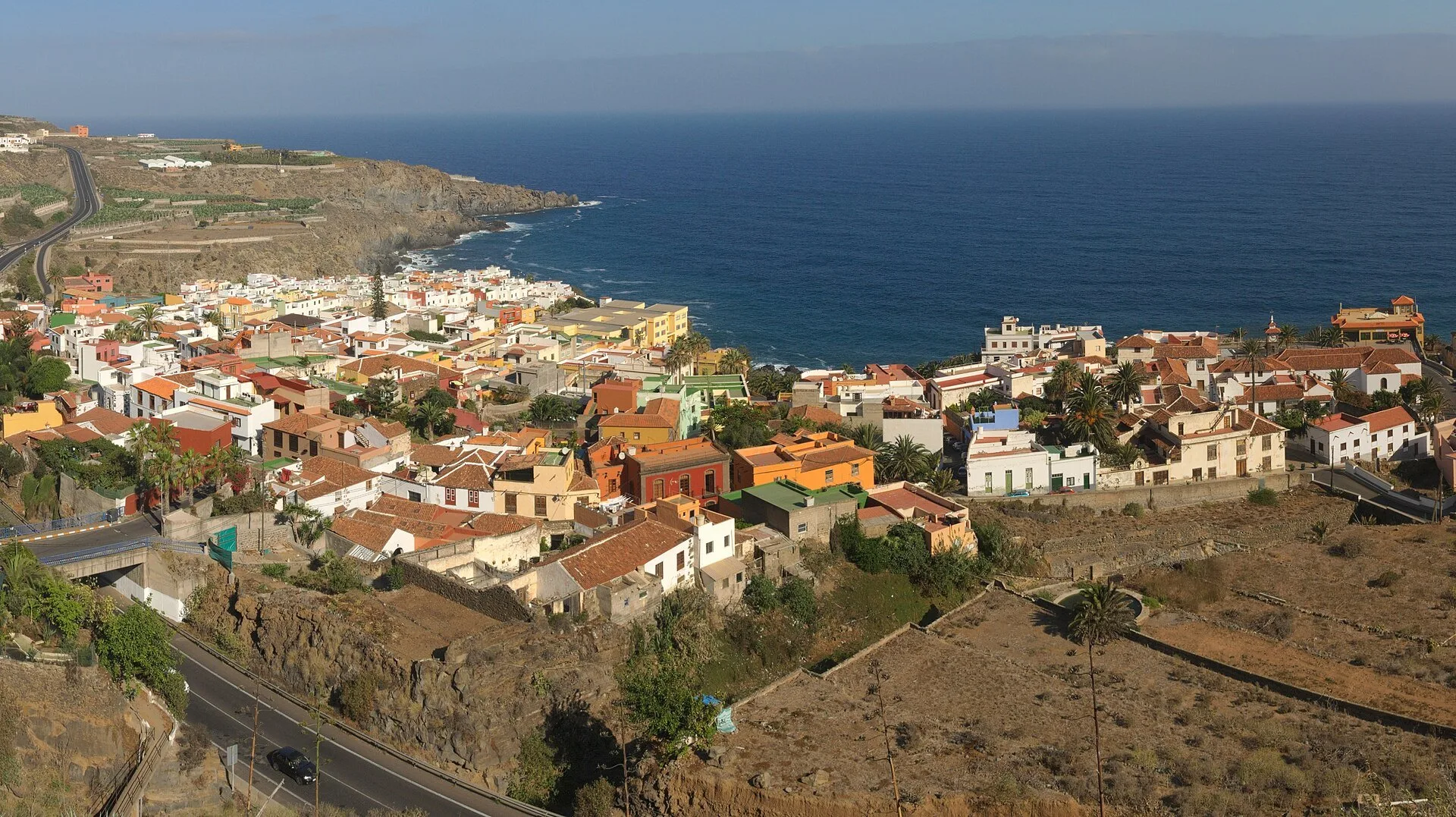
San Juan de la Rambla · What to see
Casco histórico de San Juan de la Rambla
A small coastal town between Los Realejos and La Guancha, founded in the early 16th century. Its old centre, a listed Site of Cultural Interest, grew up around the church of San Juan Bautista. Among the cobbled streets leading off Plaza Rosario Oramas is Calle de la Alhóndiga, where the house of that name faces the Delgado Oramas house; the Casa de los Alonso del Castillo looks onto the church square. Higher up, the hamlet of Los Quevedos has around fifteen traditional rural houses and is also a listed site.
- 13 min · 10.3 kmFrom Icod old town
- A short outingIt takes
- San Juan de la RamblaMunicipality
- No record that it is neededBooking
28.3948° N · 16.6478° O
Checked 2026-10-24· official source
01Practical details
- Old town protection
- Site of Cultural Interest (historic ensemble)
- Church of San Juan Bautista
- 16th century
- Casa de la Alhóndiga
- early 17th century; La Alhóndiga, 1
- Delgado Oramas house
- second half of the 18th century; La Alhóndiga, 4
- Alonso del Castillo house
- late 18th century
- Town (Villa) status
- 1925
- Los Quevedos
- Site of Cultural Interest
see source 1 ↗see source 2 ↗see source 3 ↗see source 4 ↗see source 5 ↗see source 6 ↗see source 7 ↗
03Around
What you have nearby
Ordered by real distance between coordinates, not by our preference.
Charco de La Laja
A volcanic rock pool right in the old quarter of San Juan de la Rambla, at the end of one of its busiest streets, sheltered from the Atlantic by the lava itself. You can see it from the viewpoint of the same name, reach it down a flight of steps and use its sunbathing area. The water is calm and clear. The Canary Islands tourist board recommends going at low tide, while the town council describes it as an intertidal, high-tide pool.
Playa de Las Aguas (San Juan de la Rambla)
An urban pebble beach about 120 metres long in San Juan de la Rambla. Its most striking feature is the large rocks that emerge as the tide goes out, which is the best time to visit. It can be enjoyed all year round, but the waves are strong, so take care if you swim.
Bodegas Viñátigo
A DO Ycoden-Daute-Isora winery in La Guancha, minutes from Icod, devoted to recovering native Canary grape varieties. Wine tourism visits are bookable on their own site.
La Guancha
A north-coast village between Icod de los Vinos and San Juan de la Rambla, stretching from the slopes of Teide down to the sea, whose name comes from the legend of the Fuente de La Guancha spring. Small chapels are scattered through the centre and its districts, such as Santa Catalina, built in 1510 and rebuilt in 1878 beside a centuries-old cedar, and El Calvario in La Guancha de Abajo. The El Pinalete picnic area, beside the pine forest, and the El Topete viewpoint, looking out to Teide and the north of the island, round off a visit.
Plans
Plans that pass through here
Experiences and itineraries that share places with this page.
- PlanGarachico at duskThe town once the coaches leave: a walk through the listed old quarter, the seafront with the pools below, and dinner at one of its twenty-nine restaurants.
- PlanA glass of wine before heading backA winery of the Ycoden-Daute-Isora DO with a booked visit, the wine museum on Plaza de la Pila and dinner in the old town. Wine afternoon, ten minutes away.
- PlanA slow-breakfast morningThe only breakfast in the district with published hours, Garachico's farmers' market on a Sunday, and back to the house with the shopping. No hurry.
- PlanA morning of mystery in IcodA 27,000-year-old lava tube, a tree whose age nobody knows and the port the lava swallowed in 1706. For travellers who come looking for stories.
Official sourceChecked on Next check
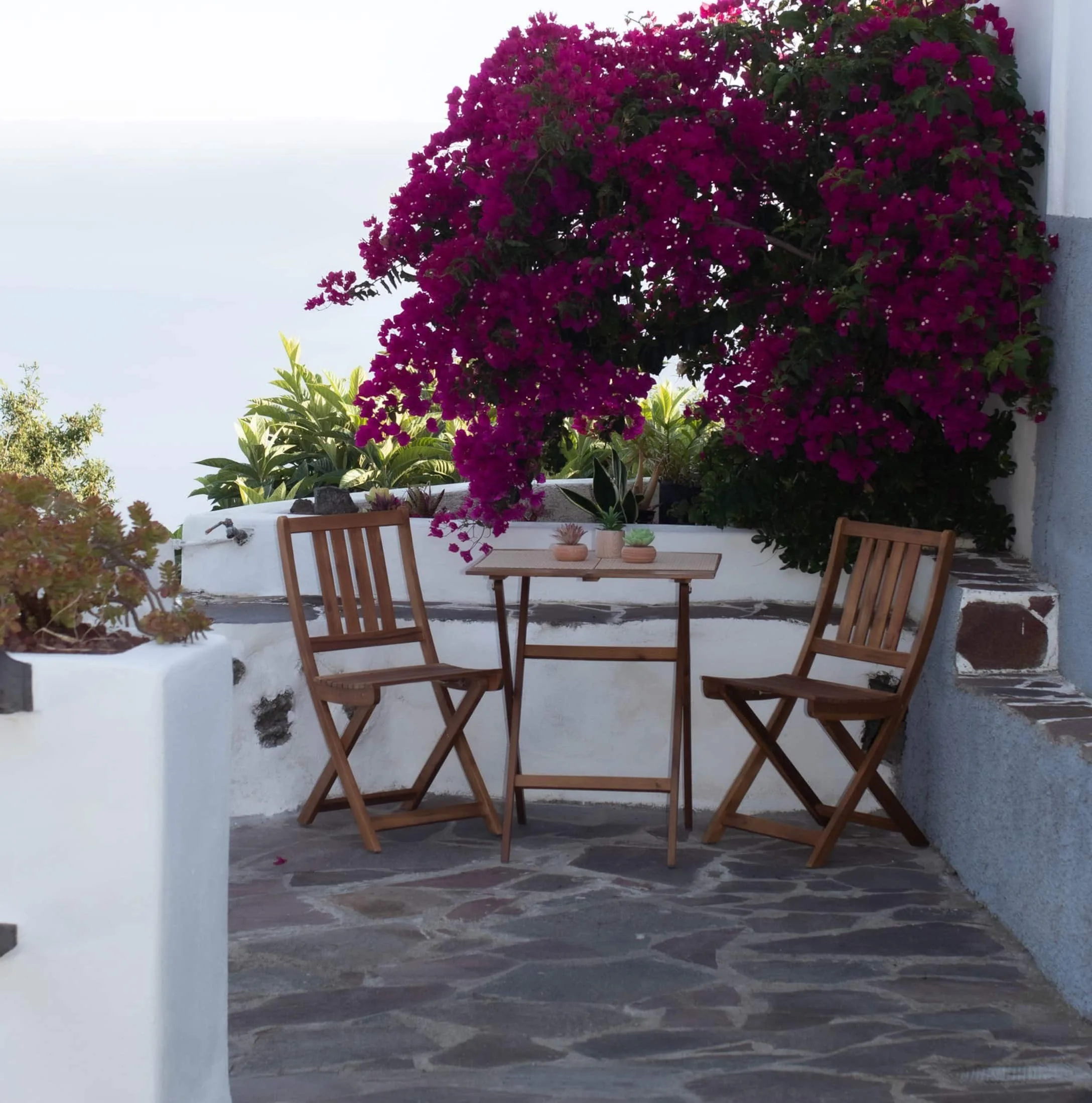
Finca Julia · Icod de los Vinos
And at the end of the day,
the terrace.
An old Canarian house on the hillside, with the Atlantic in front. Availability and price are on the official Airbnb listing.