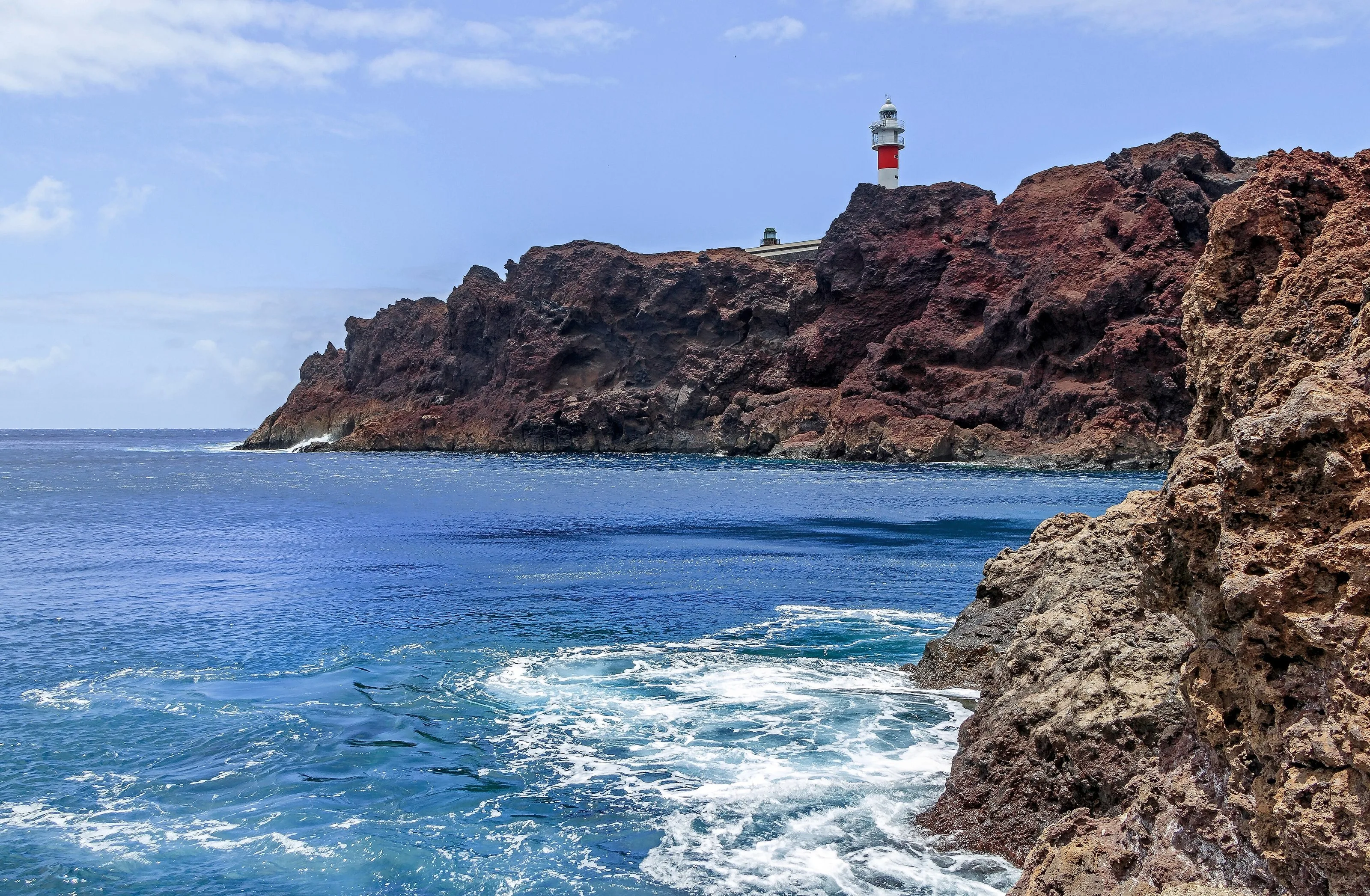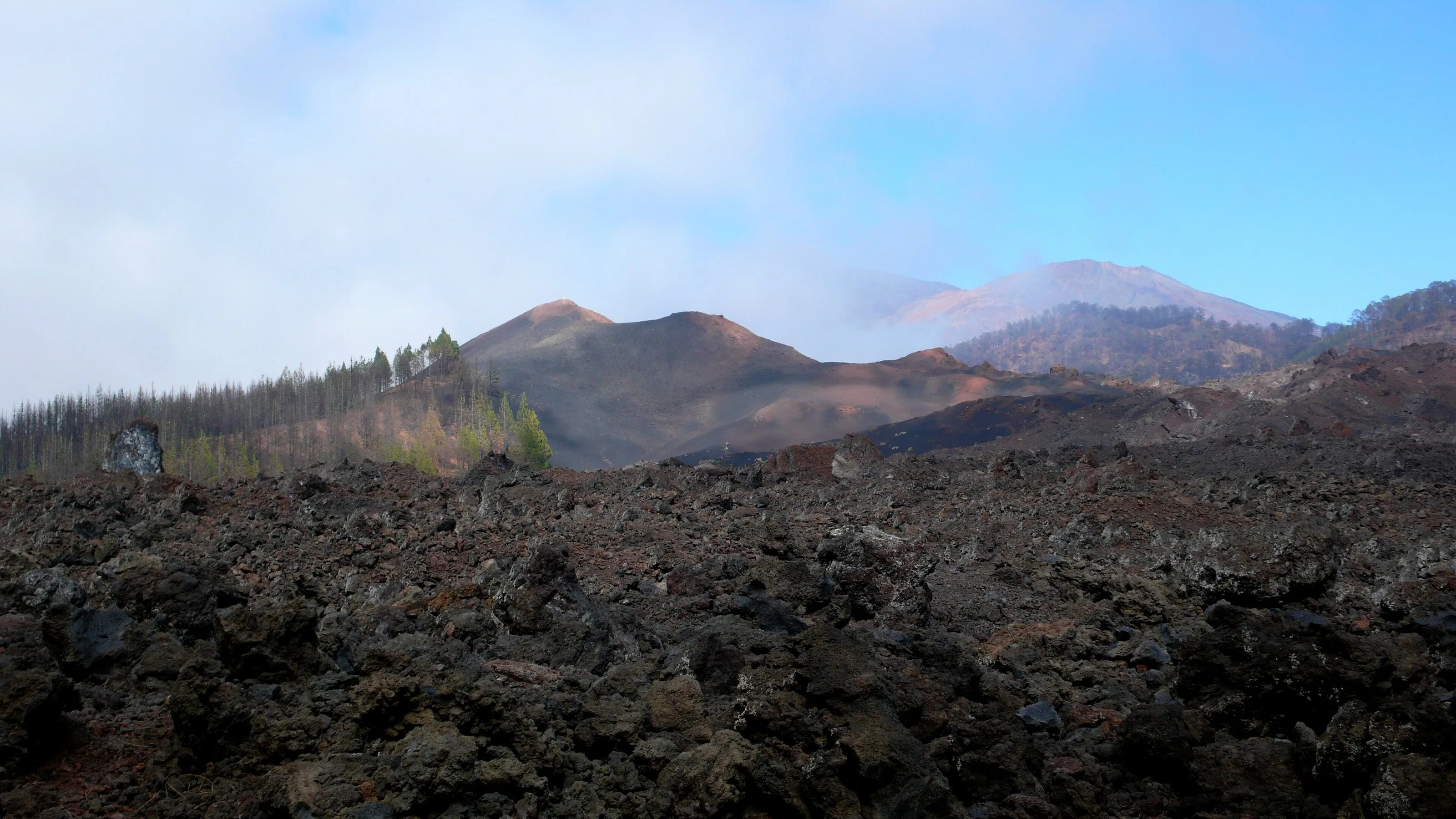
The lava badlands of the Chinyero volcano, with the cone behind

For the curious

Mysteries, legends and curiosities of north Tenerife

A demon inside the volcano, a tree whose age nobody knows, the port swallowed by lava and the fire Columbus saw. Twenty stories near Icod, each marked as what it is: legend, history, hypothesis or fact.

  • 20Stories
  • 4Legends, told as legends
  • 37Sources checked
© Mataparda · CC BY 3.0 · Wikimedia Commons

How we tell it

From legend to fact.

  1. Legend or traditionIt is told, not proven.4 stories
  2. HypothesisWhat researchers propose.3 stories
  3. Documented historyIt happened and there is a record.6 stories
  4. Scientific factMeasured and published.7 stories

The stories

In Icod4

  • EnigmasHypothesis

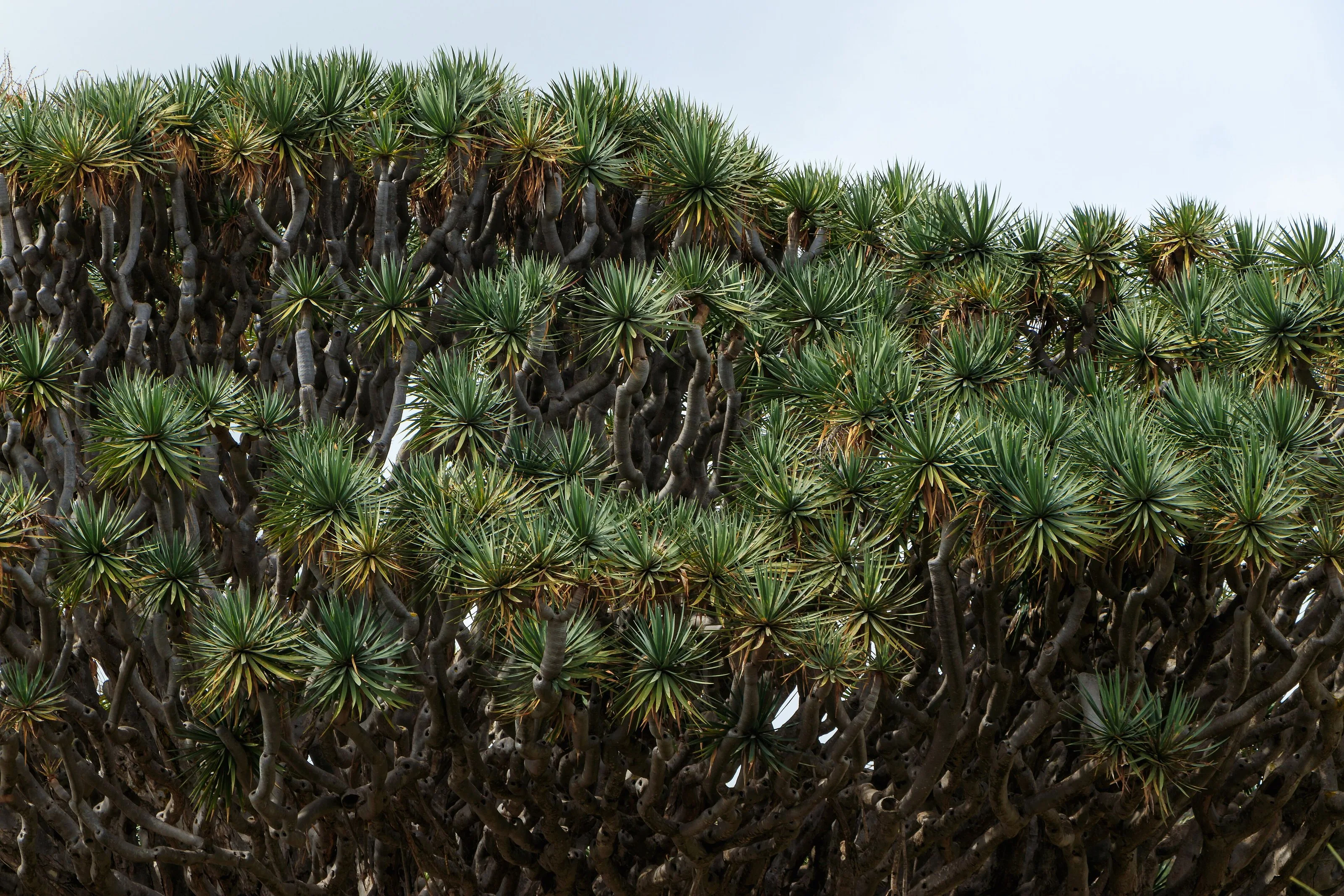
    How old is the Drago Milenario, really?

    Icod de los Vinos · 2 min by car from Icod

    It is about 20 metres tall and a national monument since 1917, but nobody knows its age. It has no growth rings, so it can only be estimated by counting its branchings. Published figures range from at most 350 years (Mägdefrau, 1975) to 2,500 in a 1907 calculation. Its sap turns red in the air: the 'dragon's blood' once traded as a remedy and a dye.

    How to experience it and sources

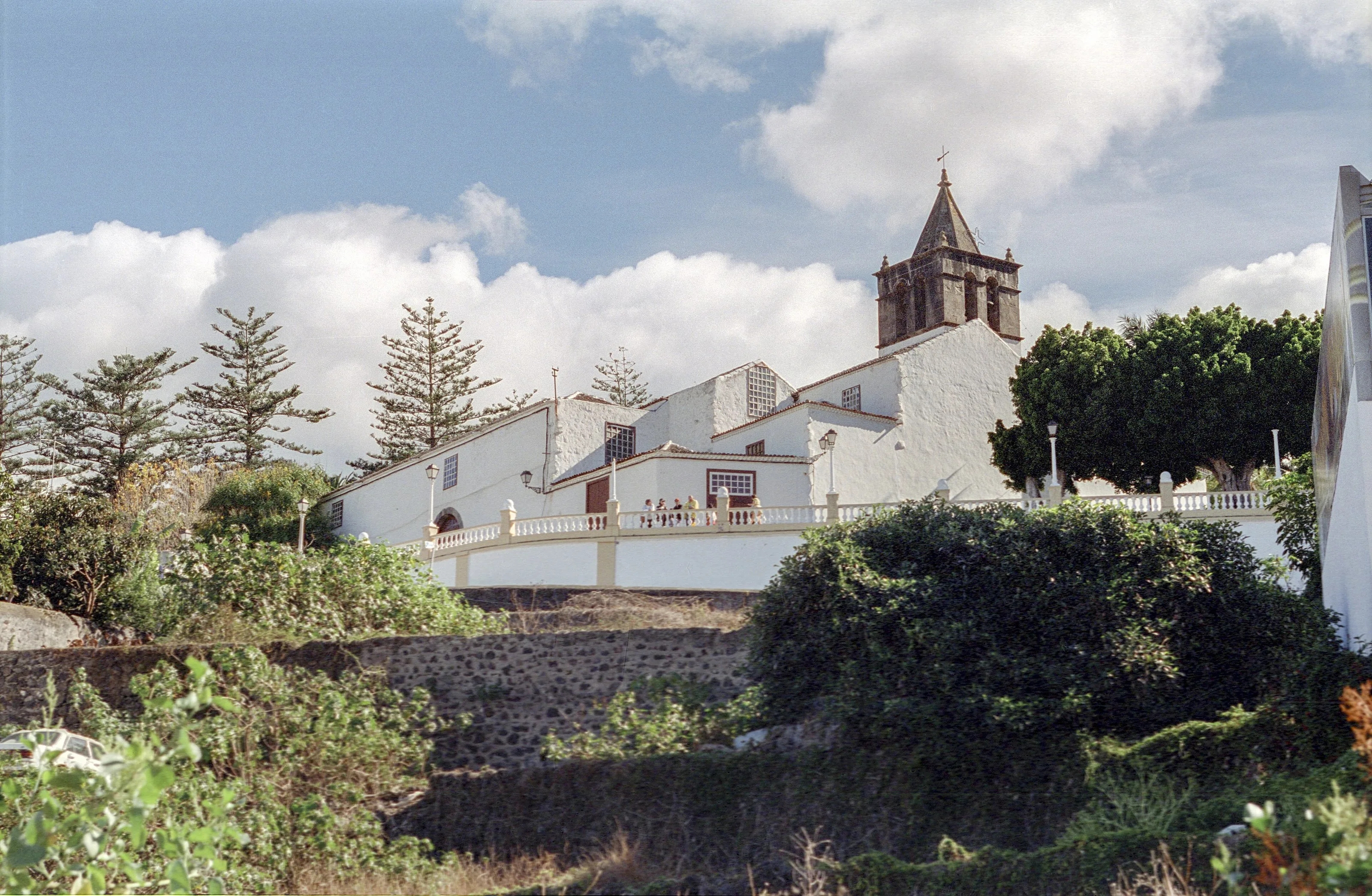
    Seen up close from the Parque del Drago (paid entry) and free from the square by the church of San Marcos.
  • To experienceScientific fact

    Cueva del Viento: a lava labyrinth under Icod

    Icod de los Vinos · 9 min by car from Icod

    More than 18 km of surveyed tunnels run under the town, formed some 27,000 years ago by lava flows from Pico Viejo: it is the largest lava tube in the European Union. It has three levels of galleries and is named after the air currents inside. Fossils of extinct animals, such as the giant lizard and the giant rat of Tenerife, have been found inside.

    How to experience it and sources

    Guided visit only, booked in advance on the official website. No children under 5 and no backpacks.

  • EnigmasDocumented history

    Cueva de los Guanches: where the history of the Canaries begins

    Icod de los Vinos

    In a cliff on the Icod coast, a lava tube holds some of the oldest dates for the settlement of the islands, around the 6th century BC. It has been a protected heritage site since 2005. A secondary individual burial was found there, something exceptional in the Canaries. Oral tradition says it was the home of the menceyes (kings) of Icod.

    Protected site · no access directions

    How to experience it and sources

    It is a protected site, not a visit: you do not go in, and we do not say how to get there. Looting was reported in 2024.

  • To experienceDocumented history

    The Tablas de San Andrés: sliding down Icod's streets on a board

    Icod de los Vinos · in the old town

    On the eve of Saint Andrew, when the wine cellars open and the new wine is tasted, people in Icod hurl themselves on wooden boards down the steepest streets of the old town; Calle del Plano is the best known. It is a custom handed down through generations, and several explanations of its origin circulate.

    How to experience it and sources

    In 2026: first bottle uncorked on Friday 27 November, arrastre on Saturday 28 and streets ready on Sunday 29 (per RTVC; check the town hall programme).

Garachico2

  • Natural curiositiesDocumented history

    1706: the port swallowed by lava

    Garachico · 9 min by car from Icod

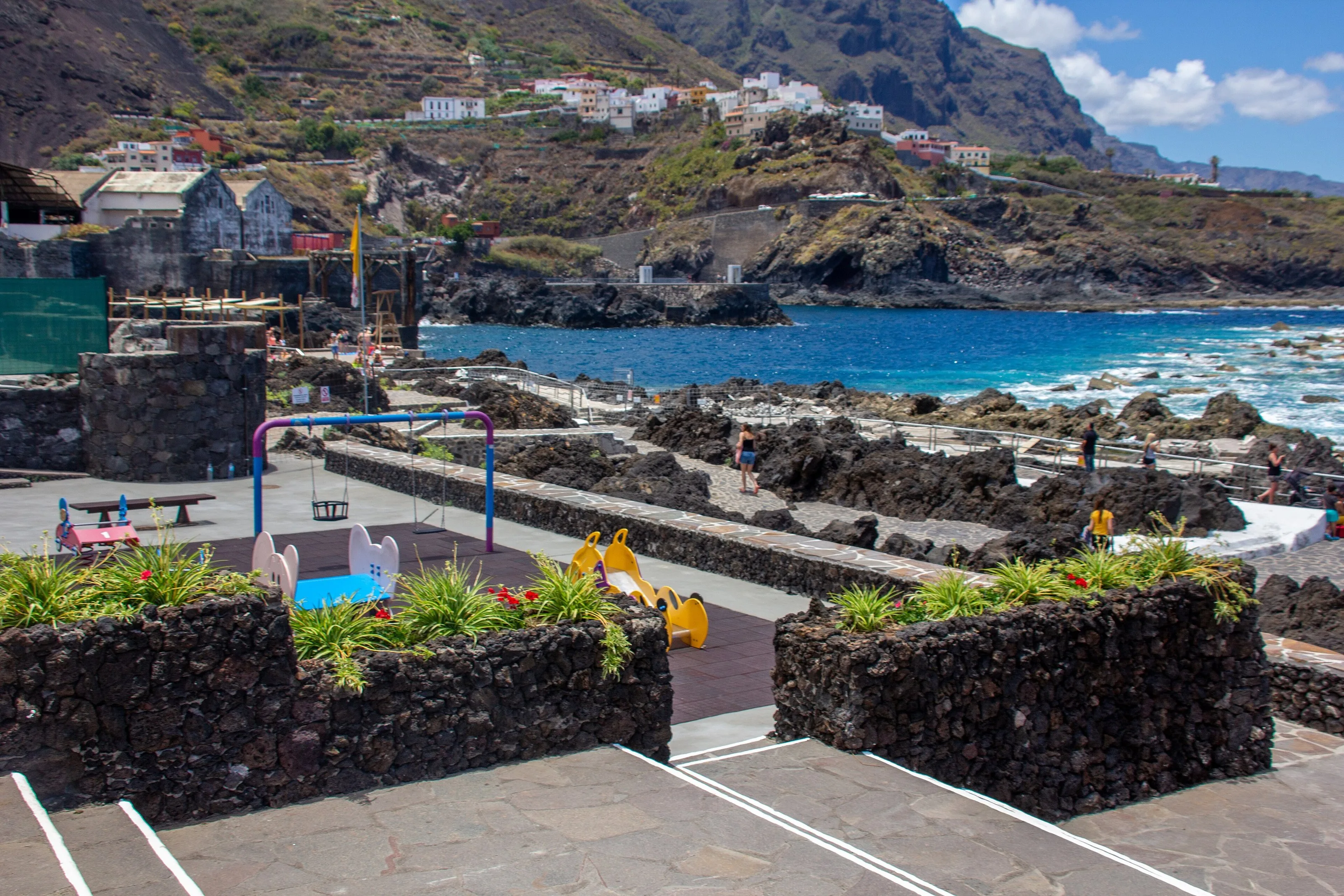
    On 5 May 1706 the Arenas Negras volcano (also known as Trevejo or the Garachico volcano) sent seven lava flows that buried much of Garachico and filled in its port, then the most important in Tenerife. Nobody died. Trade moved to Puerto de la Cruz, and the lava that reached the sea left the natural pools of El Caletón.

    How to experience it and sources

    El Caletón is in the old town, by the TF-42. In a heavy swell, stay out of the water.

  • LegendsLegend or tradition

    Garachico and the marble street

    Garachico · 9 min by car from Icod

    Legend has it that Garachico had a marble street that vanished under the 1706 lava. The town keeps other legend-like stories, such as the flood of 11 December 1645, remembered for the silk slippers of a bride who disappeared. Many were collected by the chronicler Carlos Acosta García in 'La otra historia de Garachico' (1996).

    Sources

Mount Teide9

  • LegendsLegend or tradition

    Guayota, the demon who lived inside Teide

    Parque Nacional del Teide · 67 min by car from Icod

    According to the first chroniclers, such as Friar Alonso de Espinosa, the Guanches called the main evil force Guayota, living underground and above all in Teide (Echeyde), linked to hell and eruptions. Vessels with food found in the volcano's caves are interpreted as offerings. Note: the version where Guayota locks the sun inside Teide is a modern literary legend with no basis in the chronicles.

    Sources
  • LegendsLegend or tradition

    Chinyero 1909: the last eruption and the Christ who stopped it

    Santiago del Teide · 47 min by car from Icod

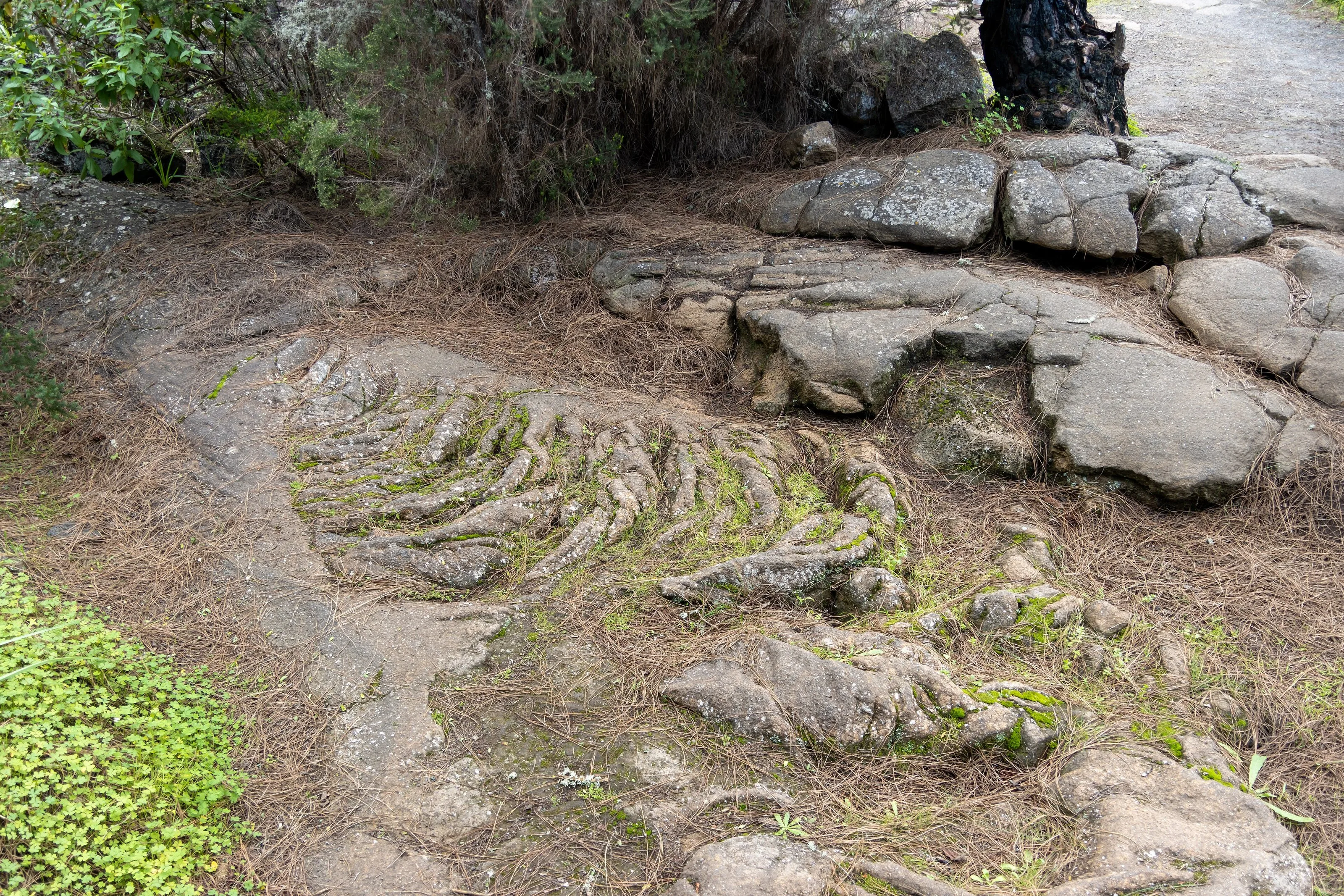
    On 18 November 1909 Chinyero erupted, the last eruption in Tenerife to date: about ten days and up to nine vents, with ash reaching Icod and La Orotava. Villagers carried their saints in procession. Tradition says faith stopped the lava at El Calvario, and every May since then a procession with the Christ of Valle de Arriba sets out to 'keep the volcano calm'.

    How to experience it and sources

    The volcano is in a nature reserve with a trail from Garachico. The exact date of the procession changes every year.

  • EnigmasHypothesis

    The fire Columbus saw in 1492

    Santiago del Teide

    Sailing past Tenerife in August 1492 on the way to America, Columbus noted 'very great flames' on the island. For centuries it was put down to an eruption in the Orotava valley, but dating ruled that out. Using carbon-14, Carracedo and colleagues (2007) pointed to the Boca Cangrejo volcano in Santiago del Teide. It is the most accepted hypothesis, not a certainty.

    Sources
  • Natural curiositiesScientific fact

    Roques de García: the rock on the 1,000-peseta note

    Parque Nacional del Teide · 67 min by car from Icod

    The Roques de García are the remains of an old wall that divided the two calderas of Las Cañadas, carved by erosion into shapes such as La Catedral or Roque Cinchado. Cinchado, at about 2,100 metres, formed from successive layers of volcanic material, and its silhouette with Teide behind appeared on the 1,000-peseta note.

    How to experience it and sources

    By the Llano de Ucanca and the Parador, inside the National Park.

  • Natural curiositiesScientific fact

    The Eggs of Teide

    Parque Nacional del Teide · 66 min by car from Icod

    Climbing Montaña Blanca you come across large dark balls of lava on the white pumice: the 'Eggs of Teide'. They are pieces of the fronts of the black lava flows from the peak's last eruption, which broke off and rolled downhill until they came to rest on the pumice.

    How to experience it and sources

    Seen on foot on the Montaña Blanca route. Reaching the summit needs a permit.

  • Natural curiositiesScientific fact

    Teide: 7,500 metres from the ocean floor

    Parque Nacional del Teide · 67 min by car from Icod

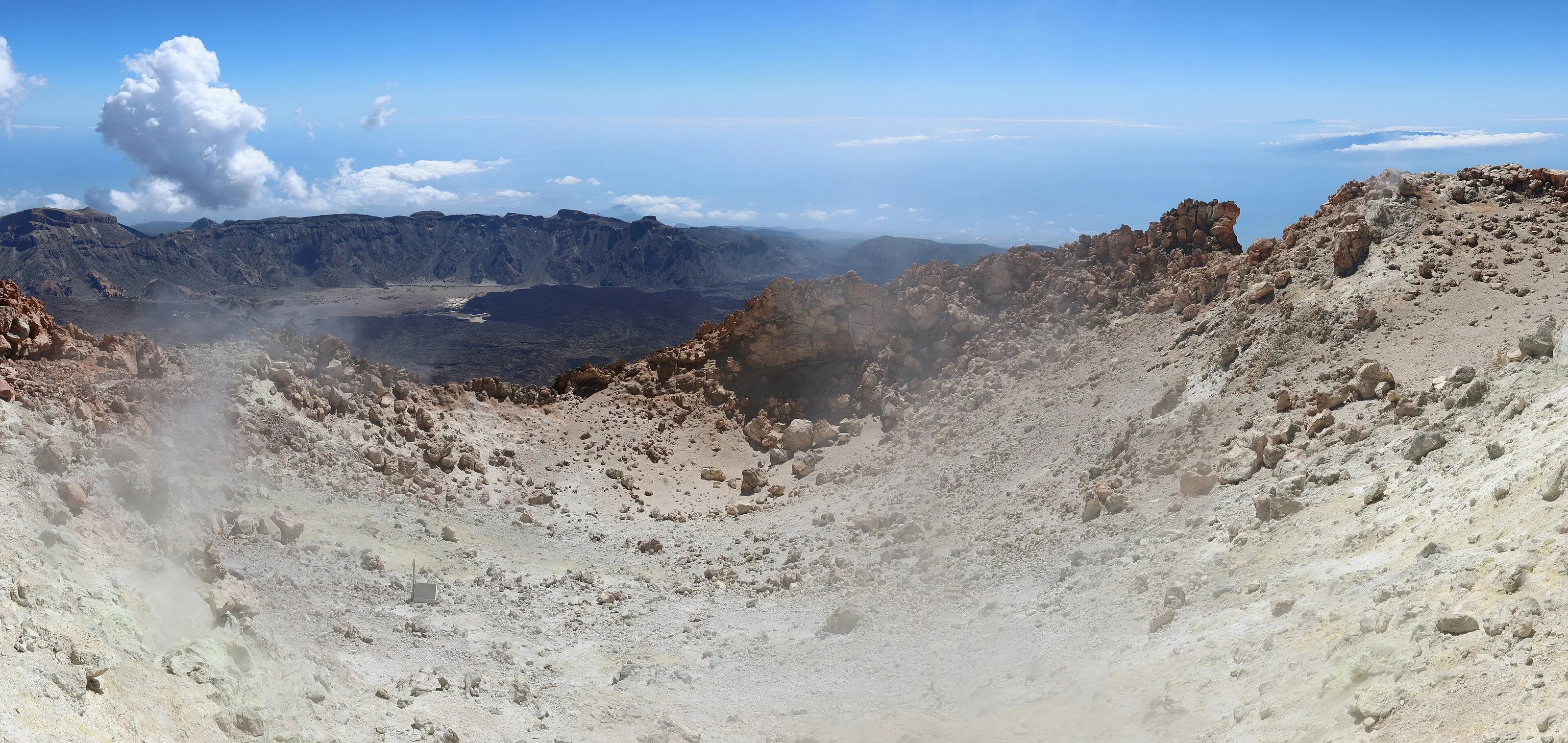
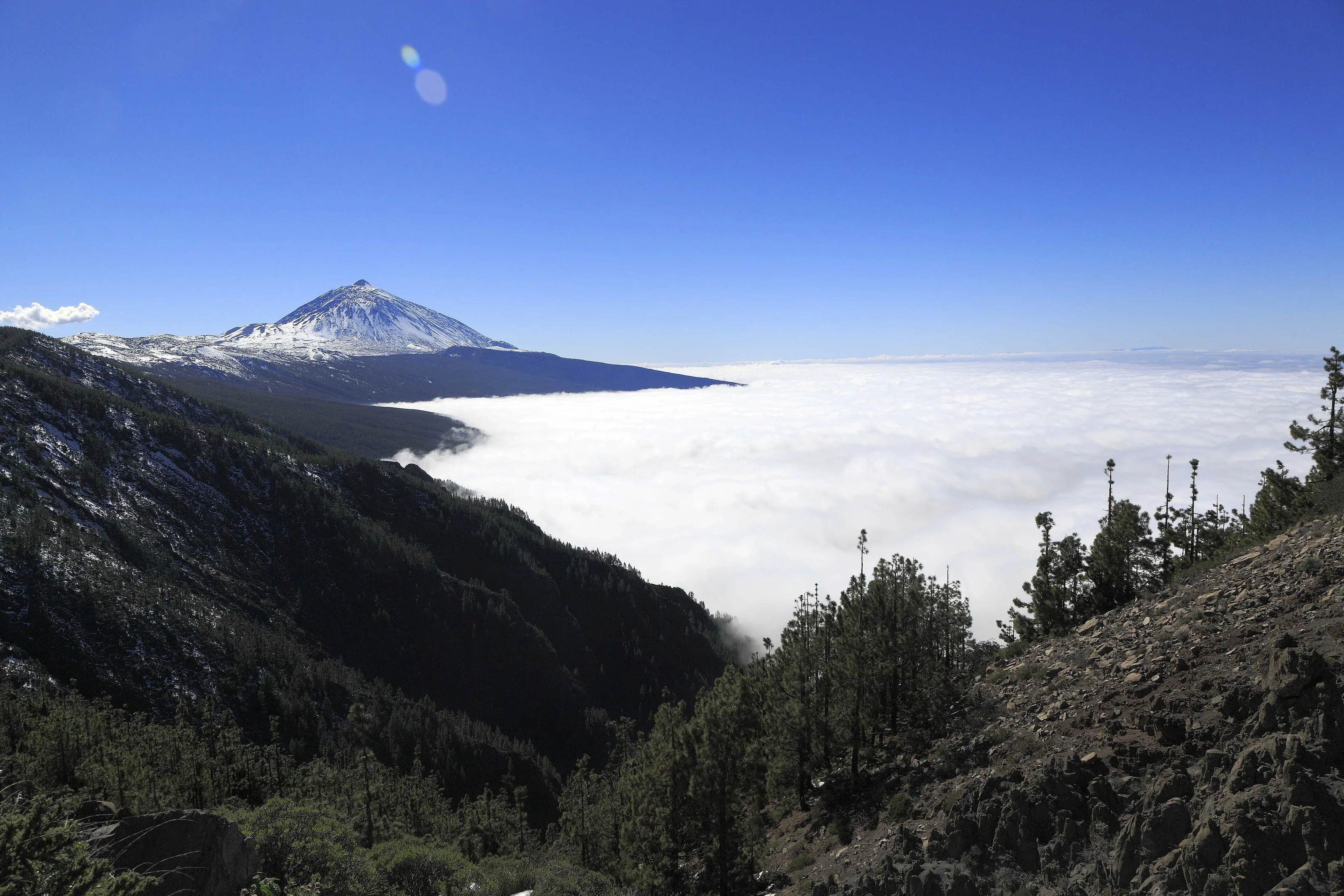
    At about 3,715–3,718 m it is Spain's highest peak and, measured from the ocean floor (about 7,500 m), it is considered the third-tallest volcanic structure in the world. It has been a World Heritage Site since 2007. From above you often see the 'sea of clouds', the layer below the summit that also shields the telescopes from city light.

    How to experience it and sources

    The cable car climbs from 2,356 to 3,555 m (La Rambleta), near the summit.

  • To experienceDocumented history

    Standing on the summit of Teide: the permit

    Parque Nacional del Teide

    The final stretch, from La Rambleta (3,555 m) to the summit on the Telesforo Bravo trail, can only be walked with a personal permit, no exceptions. Trails may close for weather alerts even if you hold one. Apply well in advance.

    How to experience it and sources

    The booking system changed in 2025 and official sources do not fully agree: check the permit entry for where to apply today.

  • Sky and starsScientific fact

    Visiting the Teide Observatory

    Izaña (La Orotava) · 64 min by car from Icod

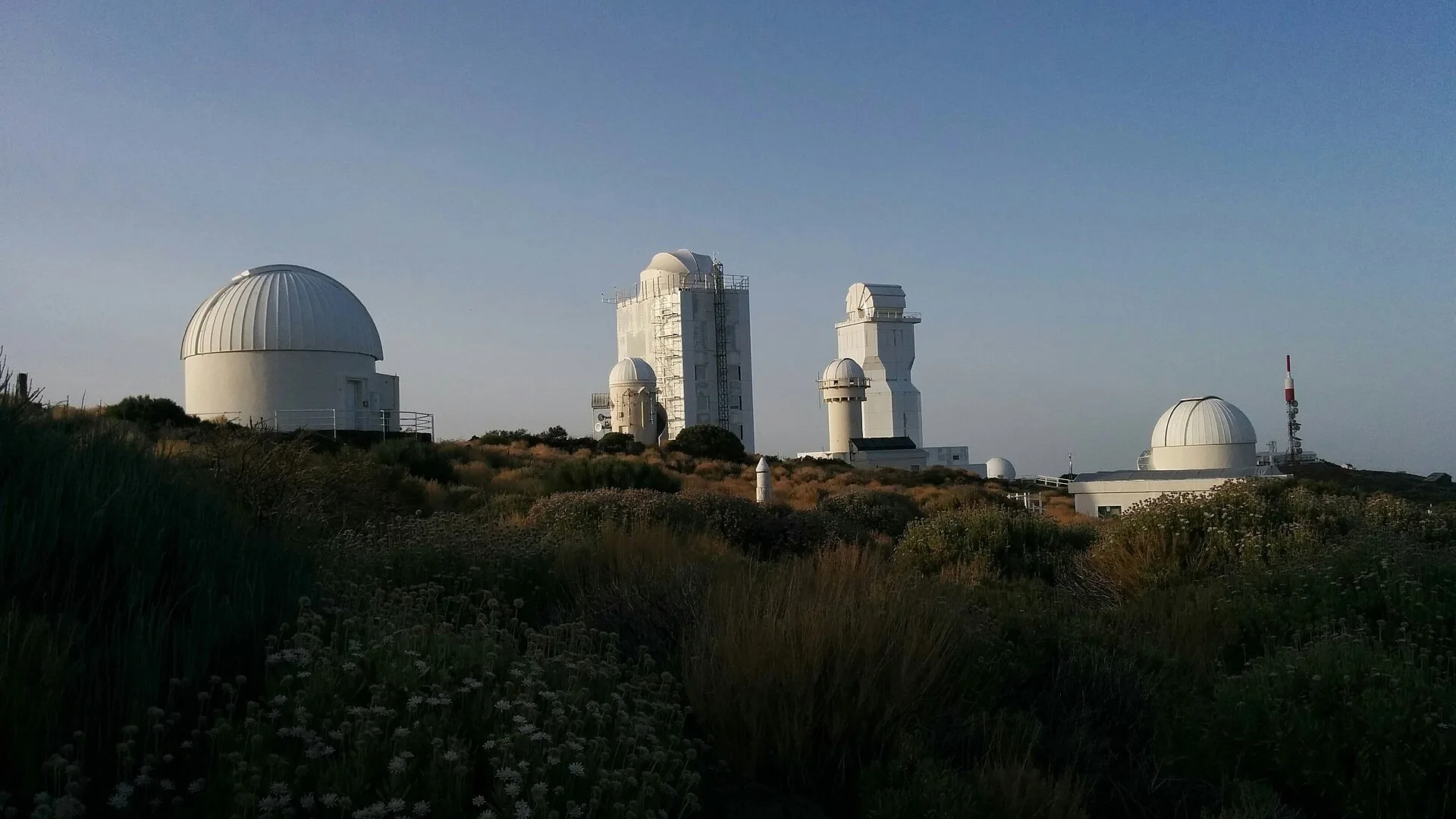
    At 2,400 metres in Izaña, the Instituto de Astrofísica de Canarias has run one of the world's reference observatories since 1964, devoted mainly to the Sun. The cloud layer below shields it from city glow.

    How to experience it and sources

    Guided visits by booking (linked from the IAC website); free for under-16s. Suspended from December to March because of the weather.

  • Sky and starsDocumented history

    Starlight skies over Las Cañadas

    Parque Nacional del Teide · 67 min by car from Icod

    Teide is a Starlight Tourist Destination and the Tenerife summits a Starlight Reserve: two certifications from the Starlight Foundation since October 2013. The certified area covers the National Park, the surroundings of the Izaña Observatory and El Portillo.

    How to experience it and sources

    Wrap up: it is cold up there at night even in summer. Check the moon before you go.

Teno and the west3

  • Natural curiositiesScientific fact

    Monte del Agua: a 'living fossil' forest

    Erjos (El Tanque / Los Silos)

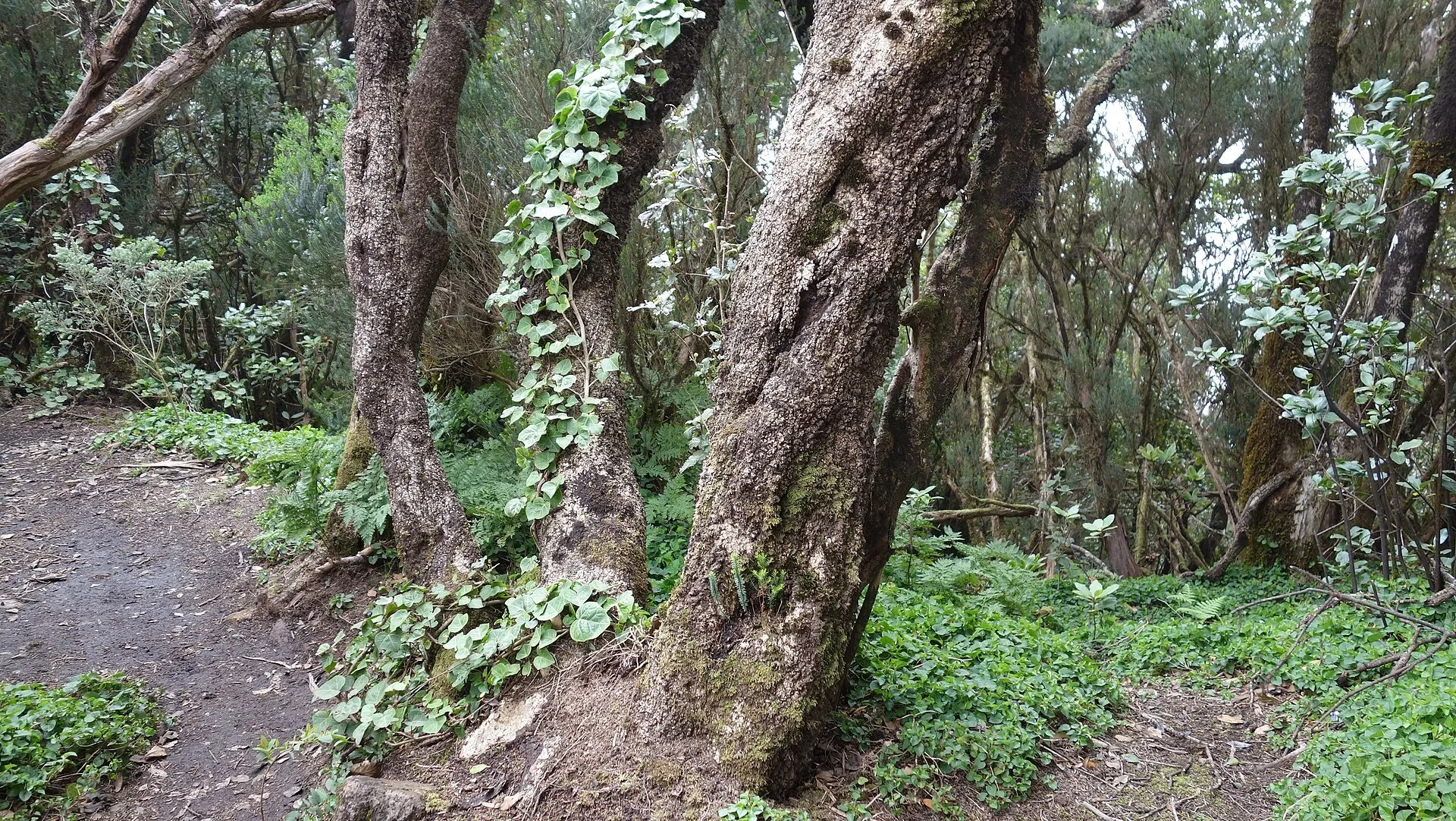
    It is a cloud forest: it catches the moist clouds of the trade winds and water condenses on the branches, hence its name. This kind of forest, laurisilva, covered the Mediterranean area millions of years ago, until climate change left it only in Macaronesia. That is why it is called a 'living fossil'.

    How to experience it and sources

    A free self-guided trail of 1.3 km (about 30 min, partly accessible) starts in Erjos, plus a 10.7 km route towards El Palmar.

  • EnigmasHypothesis

    The Masca Solar Station: a sanctuary facing Teide

    Buenavista del Norte

    High in the Teno massif there is a Guanche site with cup marks and channels for pouring liquids, an engraved fish and a nine-rayed solar petroglyph oriented north–south, from which the summit of Teide is visible. Archaeologists interpret it as a mountain sanctuary for fertility and rain rites. It has been a protected heritage site since 2006.

    Protected site · no access directions

    How to experience it and sources

    Protected site: we do not say how to get there.

  • To experienceScientific fact

    The pilot whales of Teno-Rasca, Europe's first Whale Heritage Site

    Costa oeste (Teno–Rasca) · 29 min by car from Icod

    The marine strip between Punta de Teno and Rasca, almost 70,000 hectares, was certified in 2021 by the World Cetacean Alliance as a Whale Heritage Site: the third in the world and the first in Europe. A resident population of about 200 short-finned pilot whales lives there, and studies warn that boat traffic sharply raises their stress.

    How to experience it and sources

    Boats leave from the south and west, not the north. Commercial watching needs authorisation from the Canary Government: choose an authorised boat that keeps its distance.

Further across the island2

  • EnigmasDocumented history

    The Guanche mummies at MUNA

    Santa Cruz de Tenerife

    The Museum of Nature and Archaeology, in Santa Cruz's old Civil Hospital, holds the largest collection on Guanche culture. Its funerary room displays mummies of the ancient inhabitants, among them the San Andrés mummy and the Necochea mummies, and the museum is a reference in their conservation.

    How to experience it and sources

    Calle Fuente Morales 1, Fundación tram stop. The funerary room may upset young children. Check opening hours on the Museos de Tenerife website.

  • LegendsLegend or tradition

    The witches of El Bailadero

    Anaga (Santa Cruz) · 57 min by car from Icod

    Tradition says that at El Bailadero, on the Anaga ridge, witches gathered and danced around a bonfire. Another hypothesis links the name to a Guanche rain rite in which livestock were made to bleat. A study published by the Tenerife History and Anthropology Museum records the place and Canarian beliefs such as 'nailing the witch' with a cross and a knife.

    Sources

No story with that theme.

Sources opened one by one on 24 October 2026. Drive times come from each place entry, computed from central Icod. Anything without a source was left out.

The plan already built

Two routes for the curious.

Test yourself

Legend or fact?

  • Legend or fact?Guayota locked the sun inside Teide.
    Legend

    A modern literary legend: the chronicles place Guayota in Teide, but not the trapped sun.

    The story and its sources →
  • Legend or fact?The Icod dragon tree is a thousand years old.
    Hypothesis

    Nobody knows: it has no rings and estimates run from 350 to 2,500 years.

    The story and its sources →
  • Legend or fact?The 1706 lava created the El Caletón pools.
    History

    Documented history: the flow that reached the sea at Garachico formed them.

    The story and its sources →
  • Legend or fact?Columbus saw an eruption in Tenerife in 1492.
    Hypothesis

    Accepted hypothesis: dating points to the Boca Cangrejo volcano, but it is not certain.

    The story and its sources →
  • Legend or fact?There are over 18 km of lava tunnels under Icod.
    Fact

    Scientific fact: Cueva del Viento, the EU's largest lava tube.

    The story and its sources →
  • Legend or fact?Garachico has documented ghosts.
    No source

    No source: we found none, so we do not tell it.

    The story and its sources →

What people ask

Frequently asked questions

Are there witch or ghost legends in Icod de los Vinos?

We found no documented witch or ghost tradition in Icod or Garachico, so we do not tell one. The best known on the island is the witches of El Bailadero, in Anaga, recorded by the Tenerife History and Anthropology Museum.

What was Tenerife's last volcanic eruption?

Chinyero, which began on 18 November 1909 in Santiago del Teide and lasted about ten days. Tradition says the procession of saints stopped the lava, and every May since then a procession with the Christ of Valle de Arriba sets out.

Can you visit the Cueva de los Guanches in Icod?

No. It is a protected archaeological site (heritage-listed since 2005) and not open to the public. The one you can visit, guided and booked, is the Cueva del Viento, the largest lava tube in the European Union.

How old is the Drago Milenario?

Nobody knows for sure. It has no growth rings, so its age can only be estimated from its branching: published figures range from about 350 to 2,500 years.

Where are the best stars near Icod?

In Teide National Park and El Portillo, inside the area certified as a Starlight Tourist Destination since 2013. It is cold up there at night even in summer.

And to come back to, a Canarian house of stone and wood in Icod.

Finca Julia · Icod de los Vinos

And at the end of the day,
the terrace.

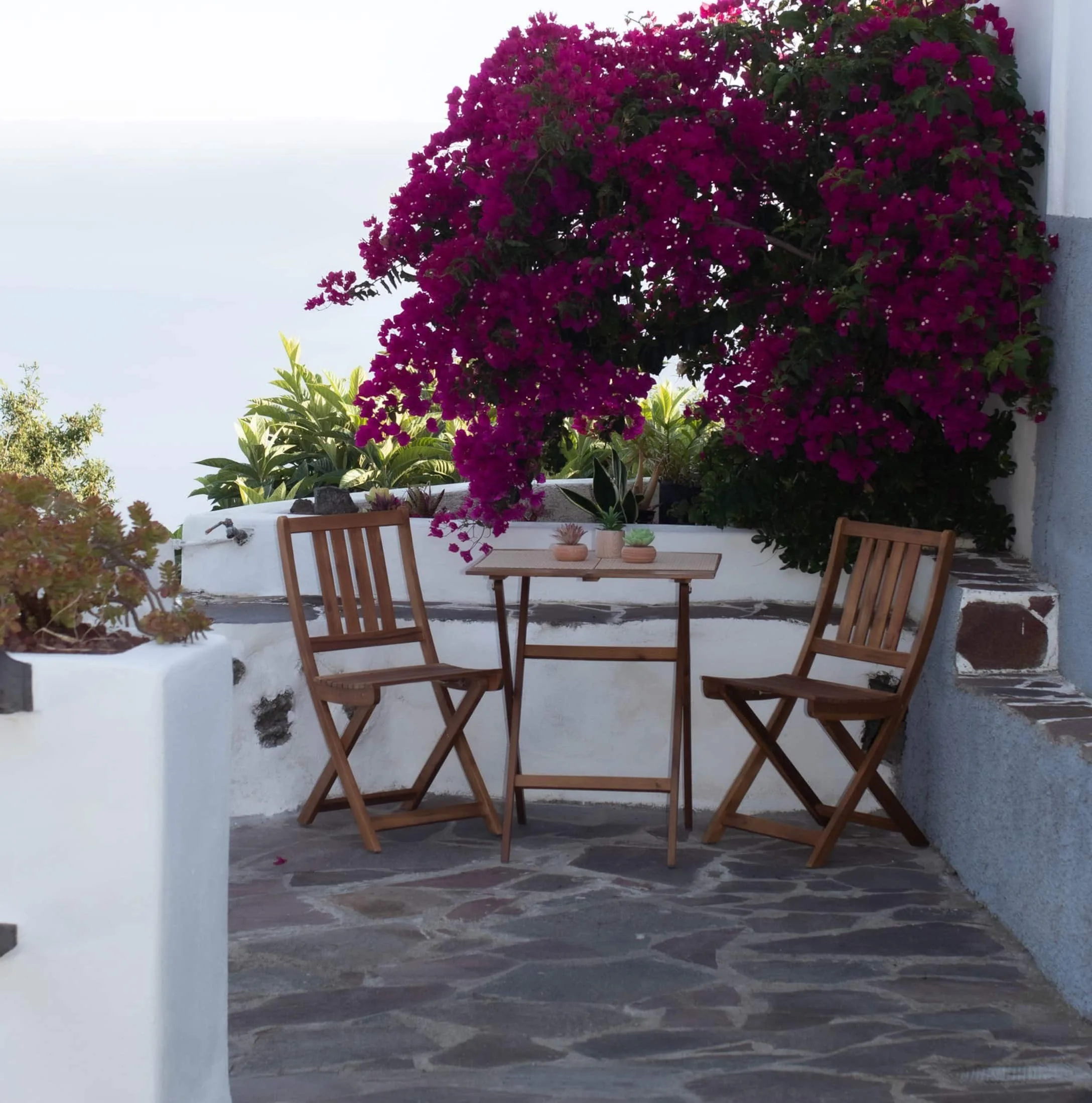
An old Canarian house on the hillside, with the Atlantic in front. Availability and price are on the official Airbnb listing.

Finca Julia

★ 4,96 · 52 reviews

Check availability — Opens the official Airbnb listing in a new tab