What to see
7 places
Tenerife · North-west
Finca Julia is not only a house to sleep in: it sits at the point of the island from which almost all of the north is under half an hour away. This is the guide we wish we had had.
Every drive time in this section is computed with OSRM over OpenStreetMap data, from Plaza de la Constitución in Icod. Not from the house's front door: the exact address is not published and faking that precision would mean inventing it.
01 — Where to start
7 places
6 places
11 places
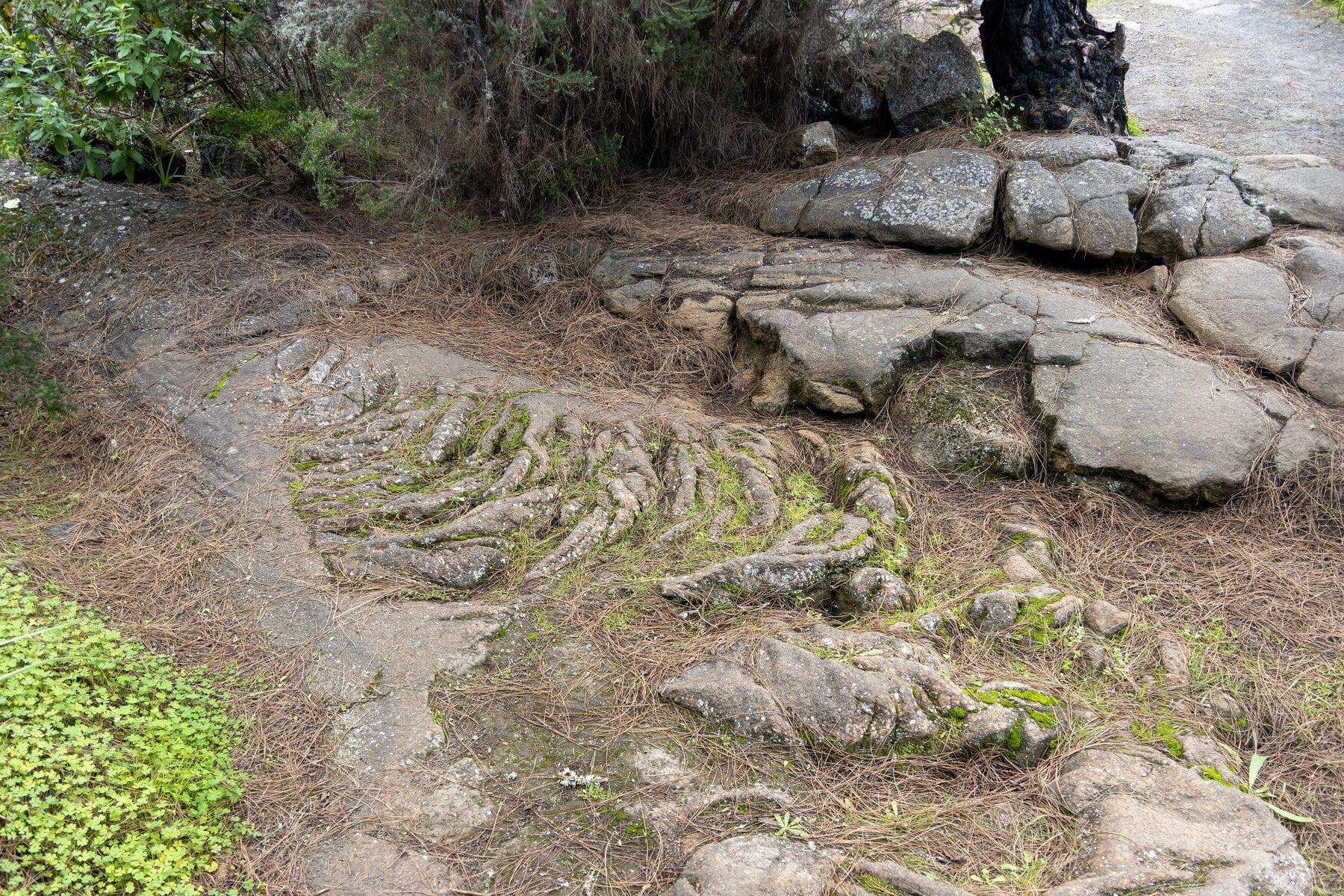
19 places
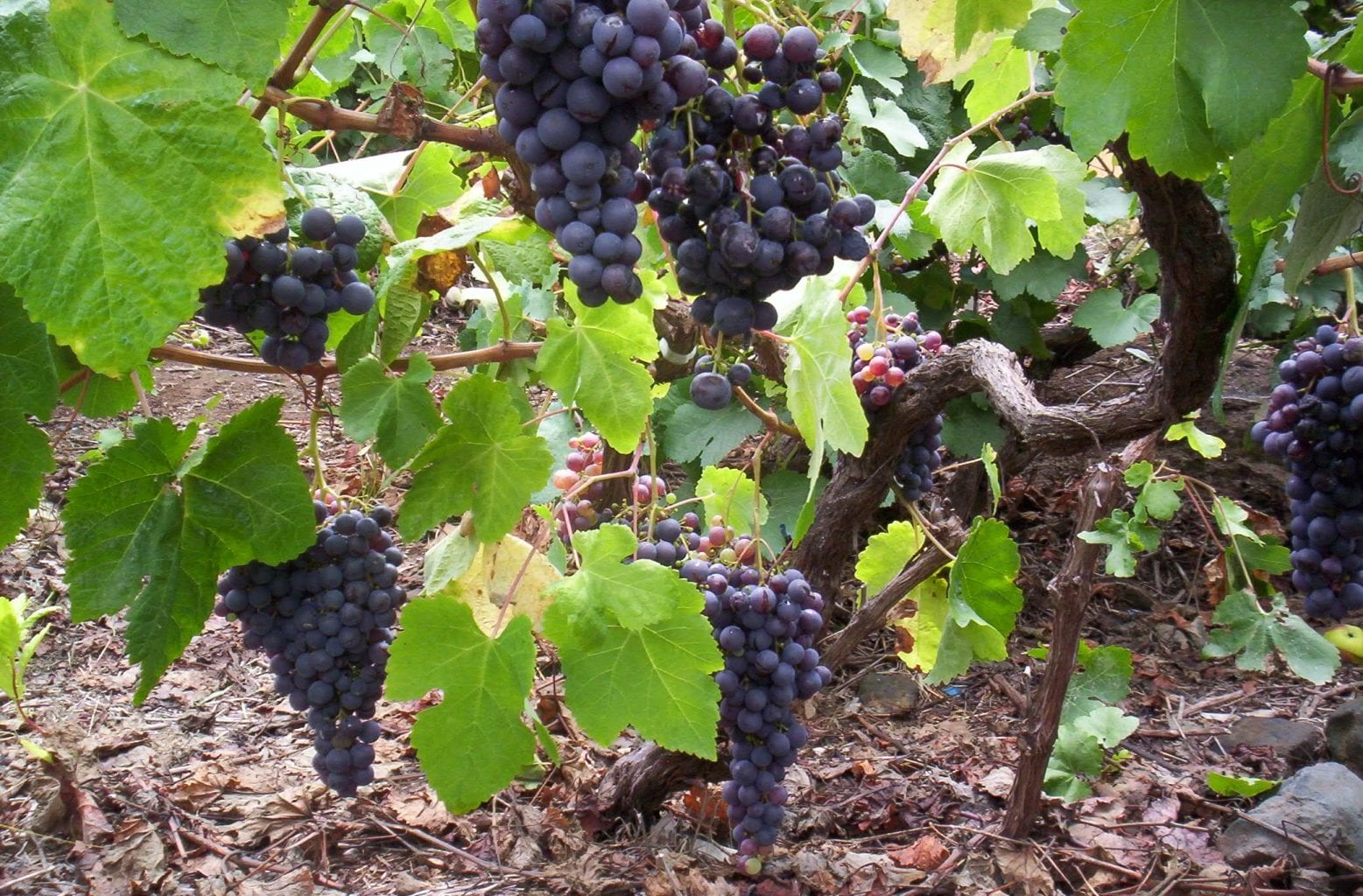
2 places
02 — If you could do only one thing
This selection is ours, and we say so: it comes from no official source. Each entry says why it is here.
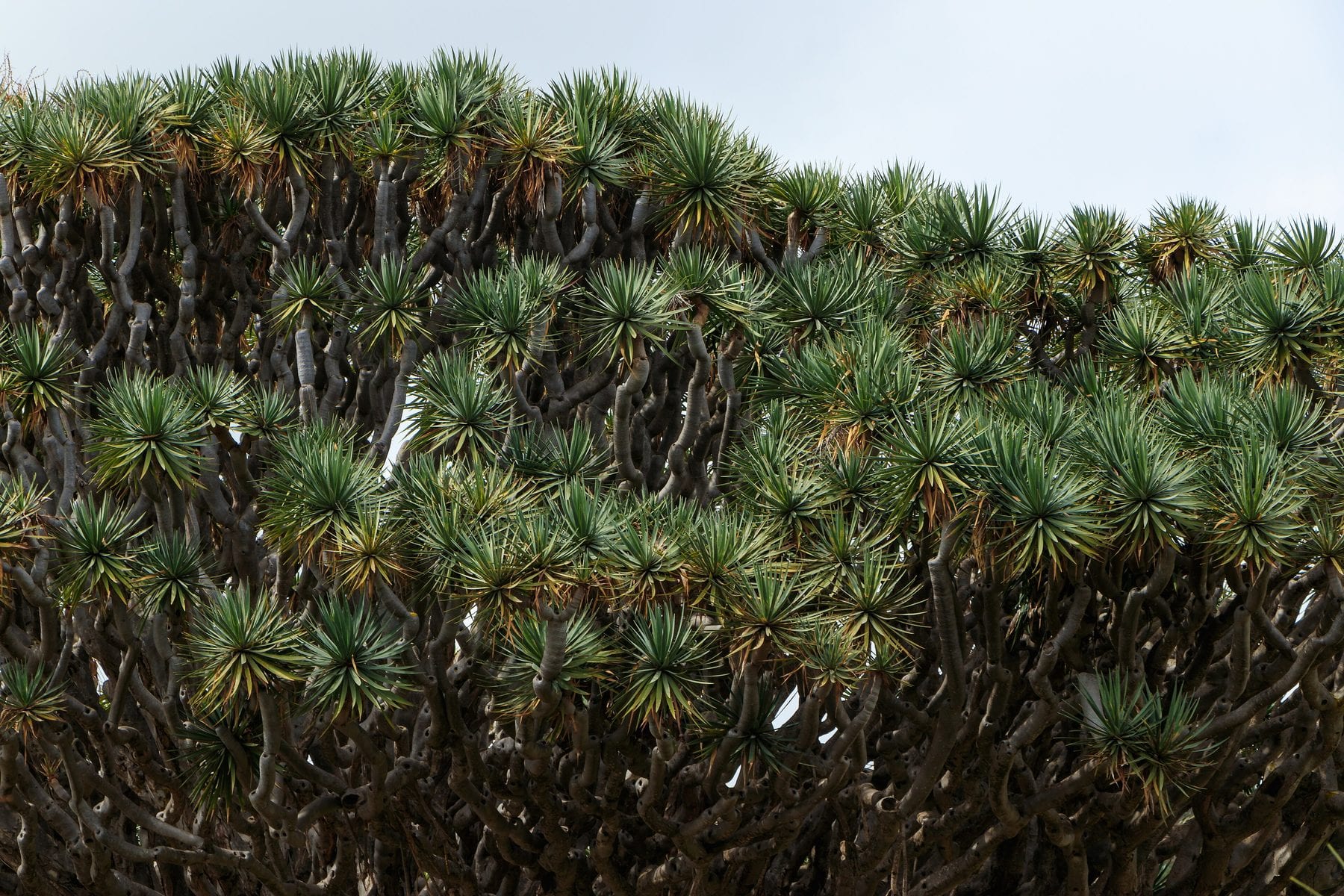
The largest and oldest known dragon tree of its species, Dracaena draco, and the symbol of Icod. Declared a National Monument in 1917. You can glimpse it free from the square; the full visit is through the Parque del Drago.
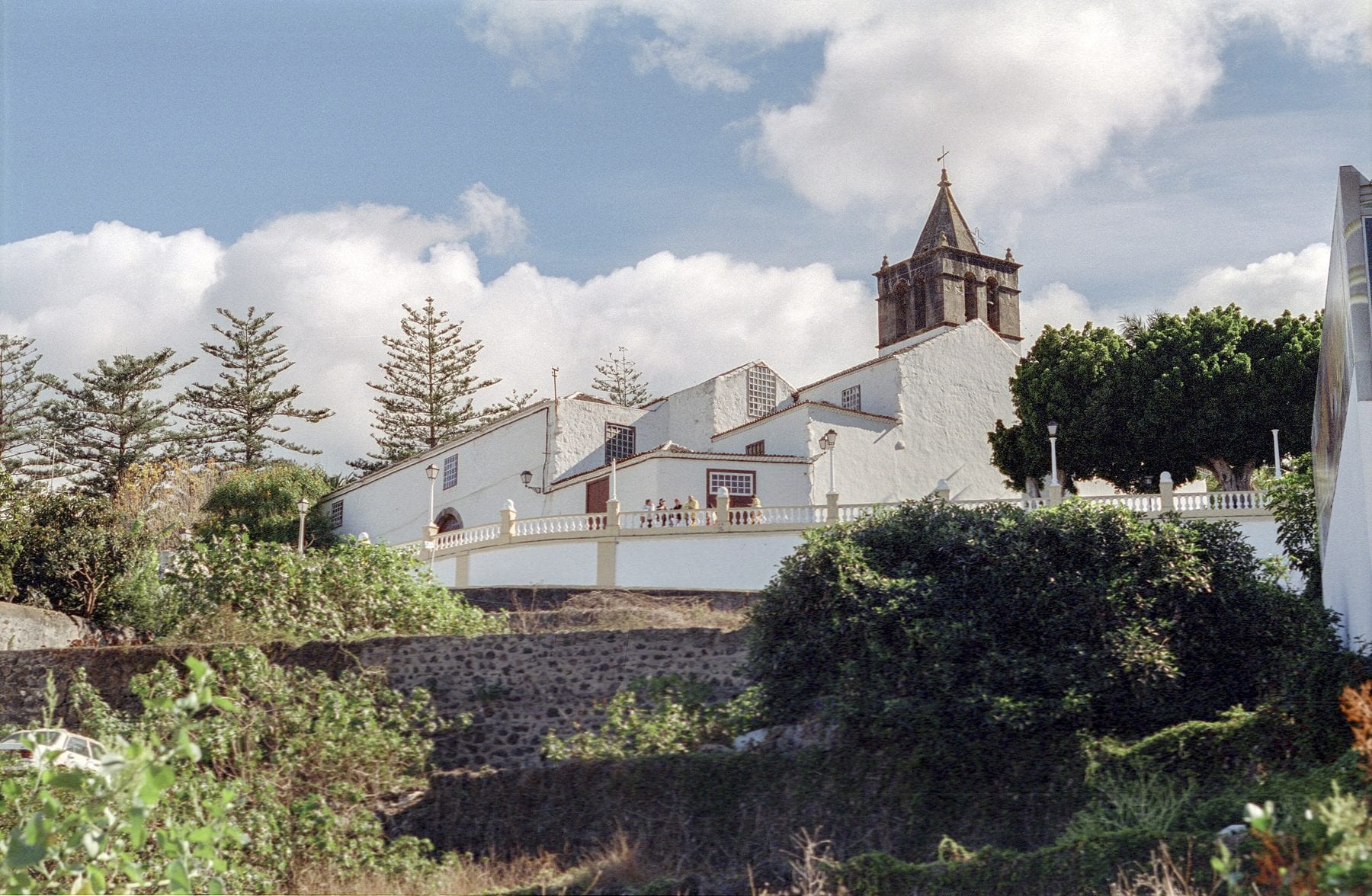
A Historic Site listed as a Bien de Interés Cultural under Decree 142/2004. Compact and remarkably well preserved: an hour or two on foot links Plaza de la Pila, San Marcos church, the former San Francisco convent and Calle San Sebastián.
Icod's town beach and one of the calmest in the north: a shell-shaped cove sheltered from the heavy swell. Black volcanic sand, 160 m by 40, with restaurants along the promenade. The easiest, most family-friendly swim near the house.
A lava tube formed some 27,000 years ago by flows from Pico Viejo's first eruptive phase, inside Icod's own municipality. With 18.5 km surveyed according to its official operator, it is the largest in Europe and one of the largest in the world. Visits are guided, with helmet and headlamp, and combine badlands, an old royal path and the underground section.
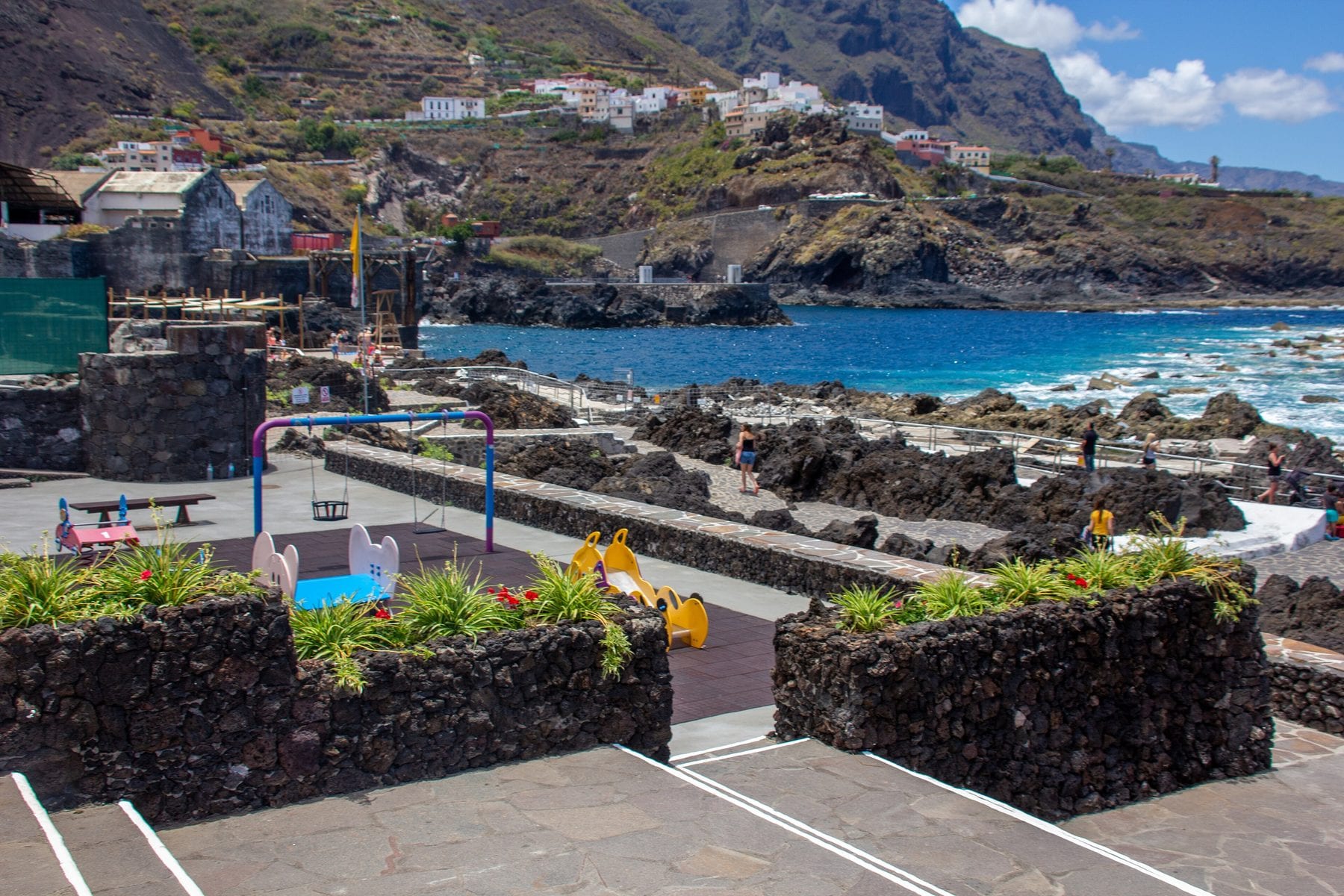
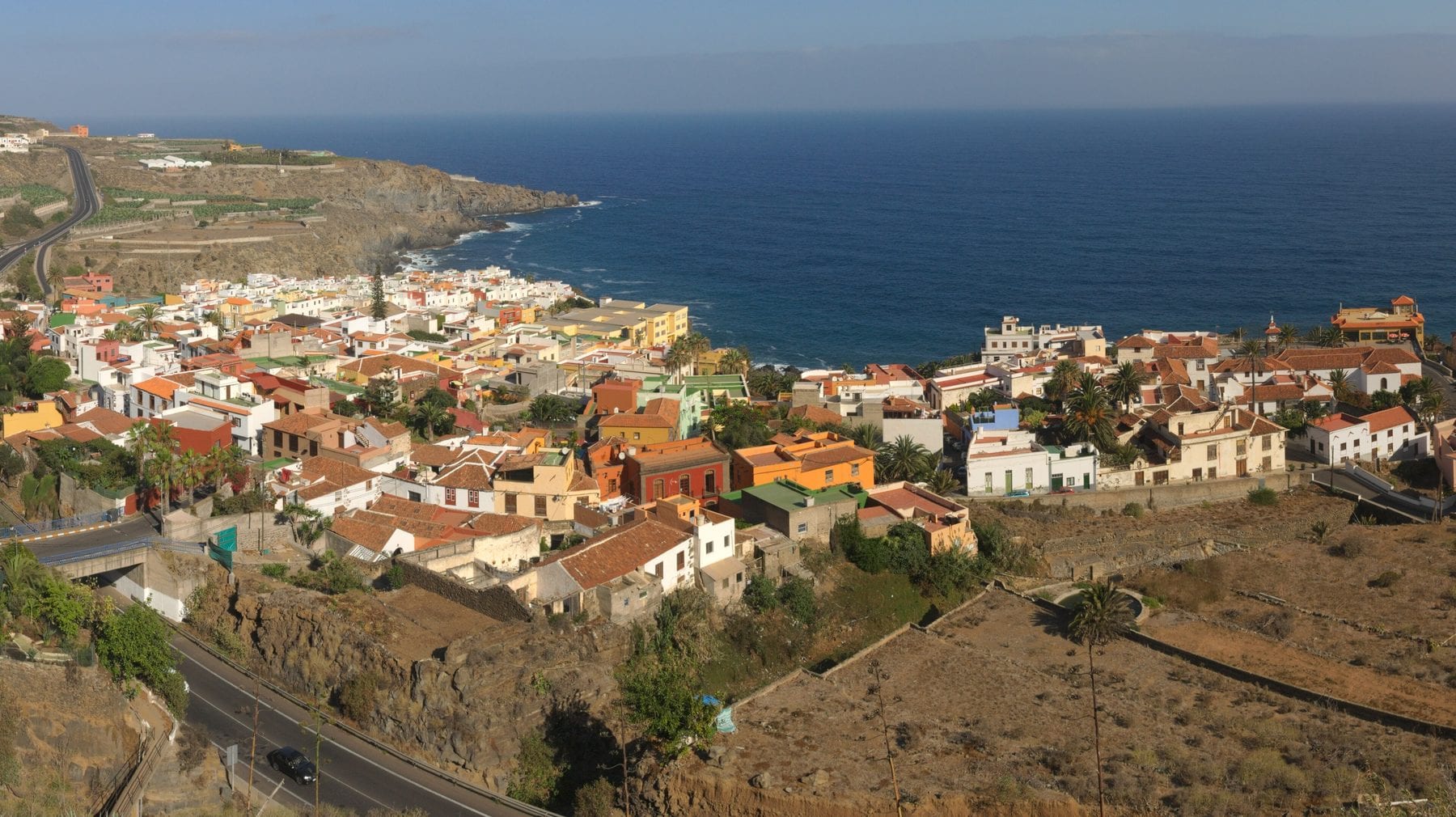
A coastal town minutes west of Icod. It was the island's main port until the 1706 eruption destroyed part of the old town and sealed the harbour. Rebuilt, it is now one of the loveliest towns in the north: a listed historic quarter since 1994, a 16th-century castle and the El Caletón natural pools carved by those same lava flows.
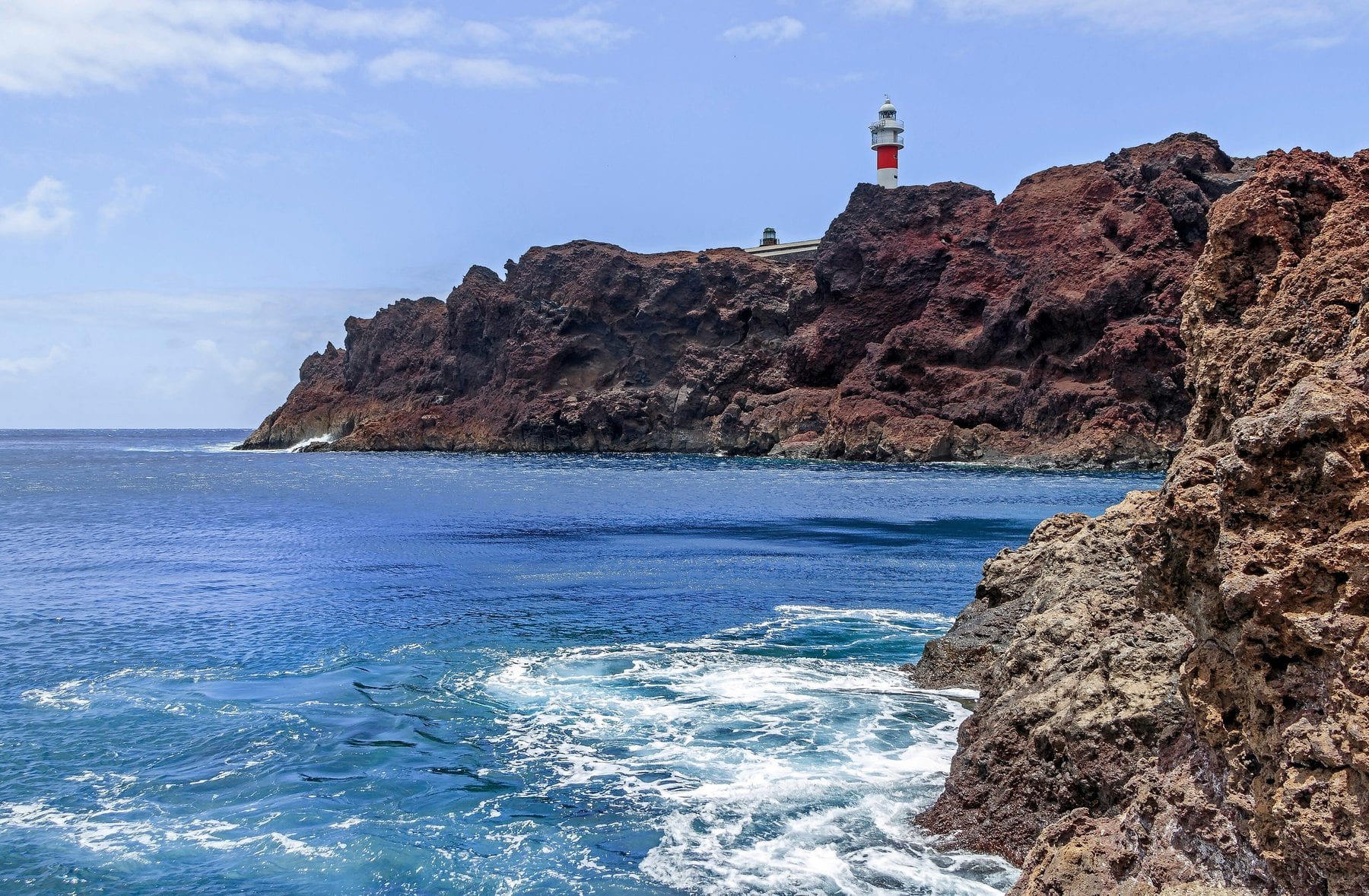
Tenerife's north-western tip: a lighthouse, the Los Gigantes cliffs beyond and arguably the island's finest sunset.
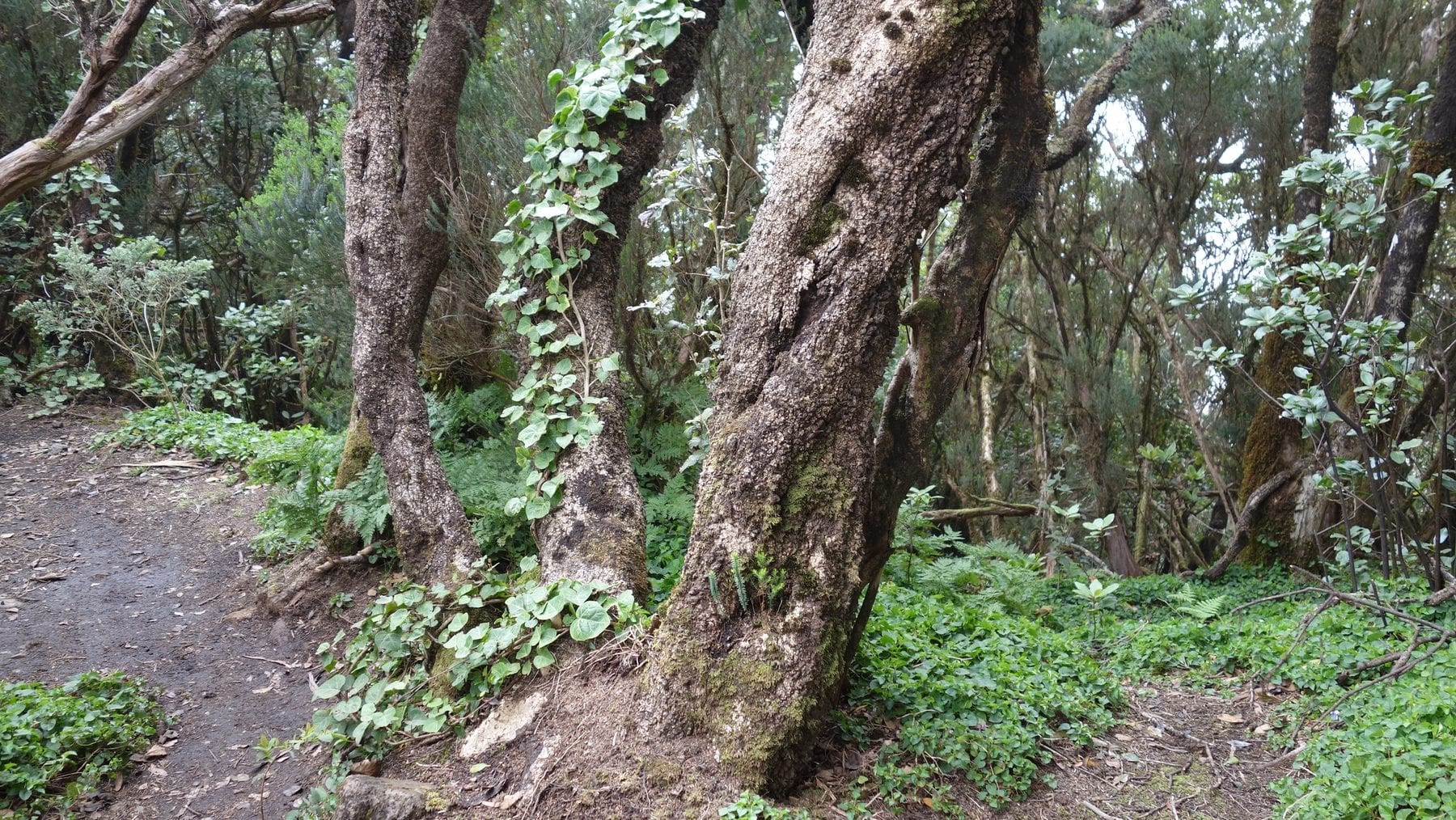
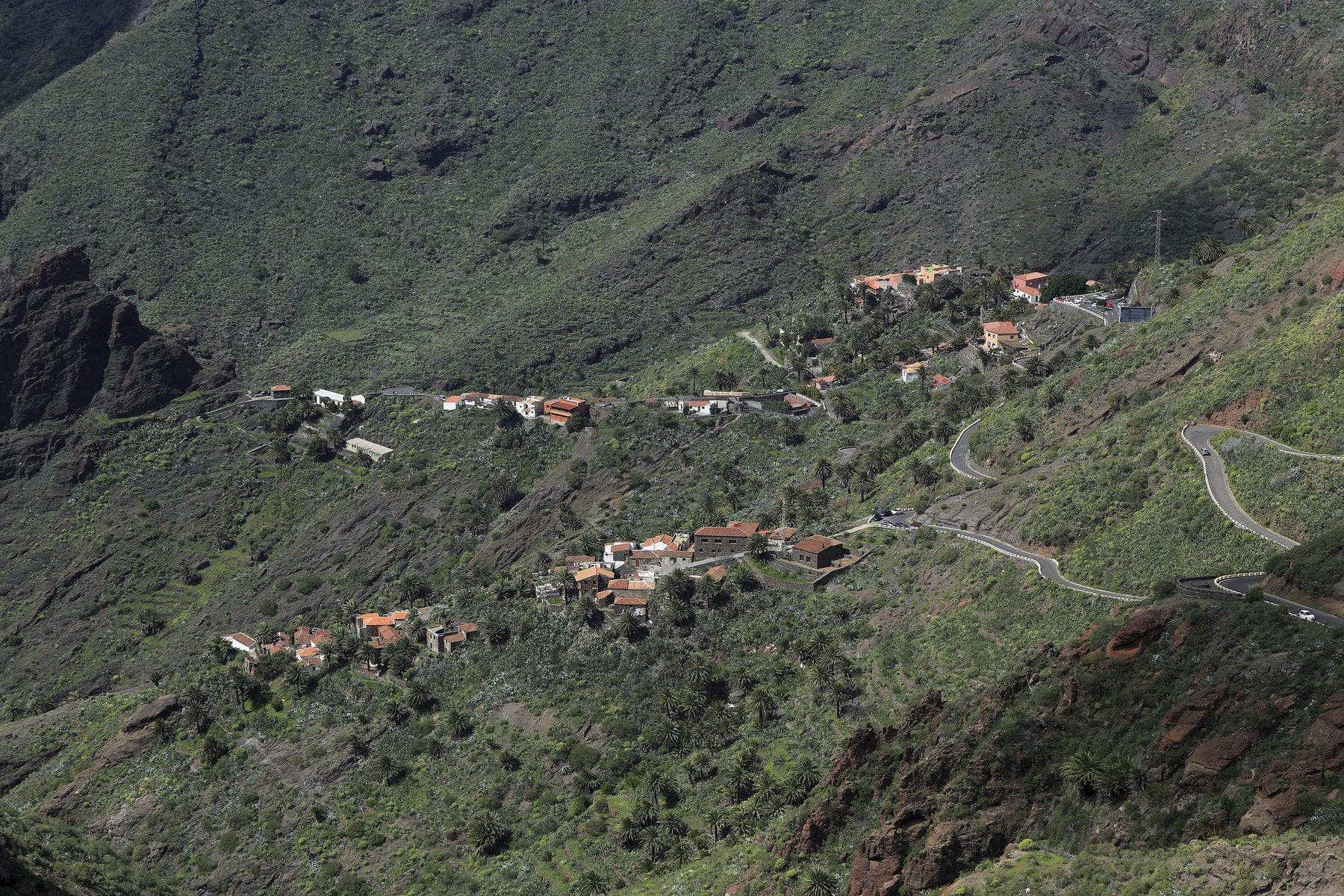
The massif at the north-eastern tip, among the island's oldest geology, with laurel forest, isolated hamlets and black beaches reachable only on foot or by boat. A Biosphere Reserve since 2015. From Icod it is at the opposite end of the island: give it a full day.
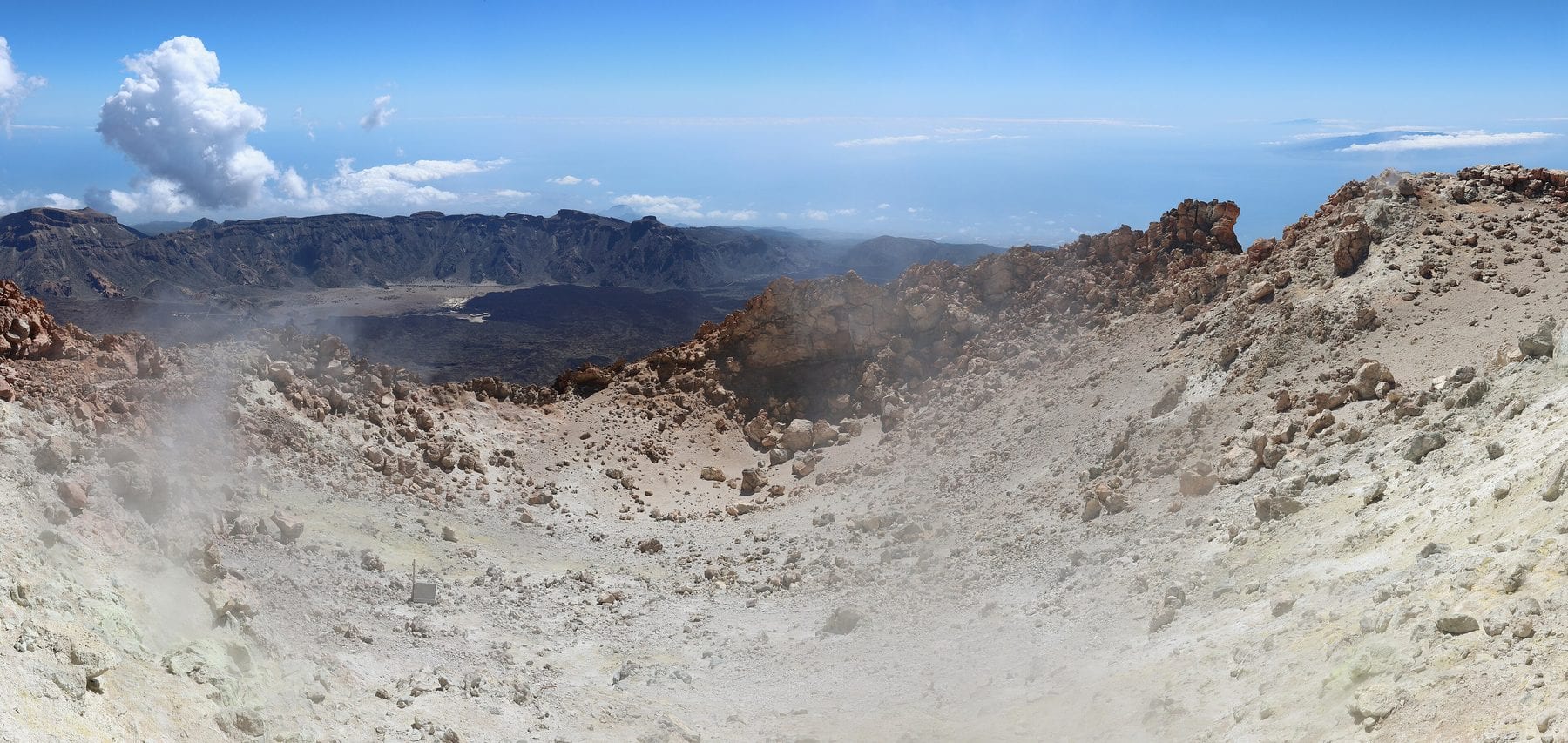
Declared on 22 January 1954 and a UNESCO World Heritage Site since 2007. It covers 18,990 ha and Teide, at 3,718 m, is Spain's highest peak. Icod de los Vinos is one of the twelve municipalities with land inside the park.
03 — Depending on the day you have
“A short outing”, “half a day” and “a full day” are not a hunch: they come from the round-trip drive time. Half an hour in total still fits in a morning; over an hour eats the day.
34 places
The largest and oldest known dragon tree of its species, Dracaena draco, and the symbol of Icod. Declared a National Monument in 1917. You can glimpse it free from the square; the full visit is through the Parque del Drago.
A three-hectare botanical enclosure around the Millennial Dragon Tree, with paths through the island's ecosystems, a recreated Guanche cave, an ethnographic area and viewpoints over Teide and the Atlantic. Allow 45–60 minutes.
A Historic Site listed as a Bien de Interés Cultural under Decree 142/2004. Compact and remarkably well preserved: an hour or two on foot links Plaza de la Pila, San Marcos church, the former San Francisco convent and Calle San Sebastián.
Icod's main square, opened in September 1632. Locals call it Plaza de la Pila after its 1716 stone fountain with a circular basin and four spouts. Grand old houses with heavy pine woodwork line it.
Icod's mother church, born as a chapel in the 16th century and extended into the 19th. Listed as a Monument in 2006. It holds a monumental 47 kg silver filigree cross made in Havana in 1665, considered the largest known work of filigree.
A tropical greenhouse beside the Parque del Drago with over 800 exotic butterflies flying free and the full life cycle on show. A short visit, and a good one with children or on a grey 'panza de burro' morning.
Hours todos los días 10:00–19:30 (horarios especiales 24, 25, 31 dic y 1 ene)
Icod's town beach and one of the calmest in the north: a shell-shaped cove sheltered from the heavy swell. Black volcanic sand, 160 m by 40, with restaurants along the promenade. The easiest, most family-friendly swim near the house.
A volcanic rock pool on the La Guancha coast, strikingly photogenic, where black lava flows meet the sea. It is not an equipped beach: a track leads down, there are no facilities and it is exposed to the northern swell.
A lava tube formed some 27,000 years ago by flows from Pico Viejo's first eruptive phase, inside Icod's own municipality. With 18.5 km surveyed according to its official operator, it is the largest in Europe and one of the largest in the world. Visits are guided, with helmet and headlamp, and combine badlands, an old royal path and the underground section.
A coastal town minutes west of Icod. It was the island's main port until the 1706 eruption destroyed part of the old town and sealed the harbour. Rebuilt, it is now one of the loveliest towns in the north: a listed historic quarter since 1994, a 16th-century castle and the El Caletón natural pools carved by those same lava flows.
Natural pools carved out where the 1706 lava met the sea, each with its own name: Las Viejas, Los Niños, Los Chorros. The most popular bathing spot in the north-west, linked to Garachico's seafront by the promenade.
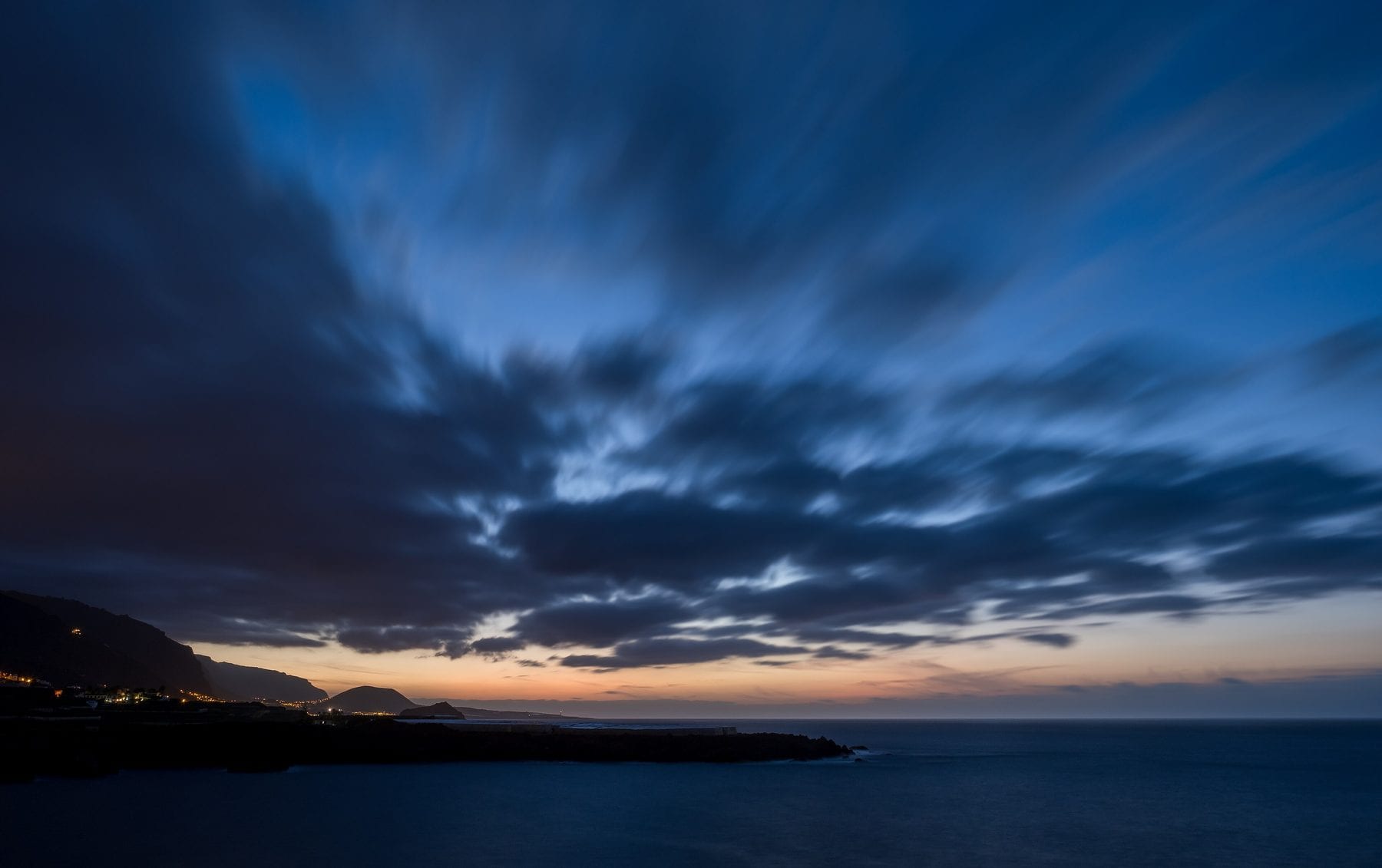
Tenerife's north-western tip: a lighthouse, the Los Gigantes cliffs beyond and arguably the island's finest sunset.
A one-way 5 km descent, around four hours, through a deep ravine to the jetty, with a compulsory boat back. Hard going, uneven ground and steps.
The massif at the north-eastern tip, among the island's oldest geology, with laurel forest, isolated hamlets and black beaches reachable only on foot or by boat. A Biosphere Reserve since 2015. From Icod it is at the opposite end of the island: give it a full day.
The starting point for Anaga's classic walks, with a permanent exhibition, an audiovisual, toilets and accessible parking. The Sendero de los Sentidos and trails PR-TF 01, 10 and 12 all leave from here.
Puerto de la Cruz's icon, designed by César Manrique: three linked black-sand beaches with gardens, waterfalls and rock caves. Breakwaters shelter the bathing area. The north's fully serviced beach.
A wild black-sand cove below the El Rincón cliff, 200 m by 40, with volcanic stacks rising out of the sea. A few minutes down a stepped path, or a 45-minute walk from Puerto de la Cruz.
An open, wild Anaga beach, 300 m long, dark sand that vanishes at high tide. No promenade, and only a footpath down from the hamlet.
Declared on 22 January 1954 and a UNESCO World Heritage Site since 2007. It covers 18,990 ha and Teide, at 3,718 m, is Spain's highest peak. Icod de los Vinos is one of the twelve municipalities with land inside the park.
It climbs from the base station at 2,356 m to La Rambleta at 3,555 m in a few minutes. It does not reach the summit: the last stretch needs a separate permit. Book online and go early; it shuts down in wind or ice.
The Instituto de Astrofísica de Canarias observatory at Izaña, 2,390 m up, where Canarian astrophysics began in the 1960s. It specialises in solar observation and has a visitor centre by prior booking.
The most rewarding coastal walk in the north: 4.36 km each way, easy going, no serious climbs, through palm groves, cliffs and heritage — the Castro family manor, the San Pedro viewpoint and the ruins of the Gordejuela water lift, home to the first steam engine used to raise water in Tenerife.
The walk up Teide: 8.29 km from the TF-21 to La Rambleta, 1,309 m of accumulated climb and a finish above 3,500 m. This is the route for anyone who would rather not depend on the cable car, and since 2026 it carries a fee too.
The Narices del Teide traverse: 9.61 km along the rim of Pico Viejo, the vent that opened in the 1798 eruption. It needs a permit like the park's other high trails, but the official page publishes no fee.
2.37 km inside the Monte Aguirre exclusion zone in Anaga. Short and moderate, but the permit is compulsory for everyone, not only for groups: the quota protects the laurel forest and the historic water galleries.
A Special Nature Reserve in Adeje, at the far end of the island: 6.5 km there and back through a watered ravine, about 250 m of climb and roughly three hours. Booking is compulsory, the helmet stays on throughout and entry hours change with the season.
A ravine between San Juan de la Rambla and Los Realejos, a Site of Scientific Interest, where the shift from heath woodland to laurel forest is unusually easy to see. A picnic area with parking sits at the entrance. The closest short, cool stop to Icod along the TF-5.
The site of Tenerife's last eruption, in 1909. The reserve covers 2,739 ha along the Abeque ridge and is an outstanding example of plant colonisation over recent lava fields. A network of PR-TF 43 trails lets you pick your distance.
The long, hard version: 18.71 km from Garachico town up to Montaña Chinyero, with 1,810 m of accumulated climb from near sea level. It crosses three protected areas, historic lava flows and pine forest, with views of Teide and Pico Viejo.
Anaga's famous 'enchanted forest': relict laurel woodland inside the El Pijaral Integral Nature Reserve, with the Cabezo del Tejo viewpoint over Taganana and the north coast. A 6.44 km loop, 2 h 30, moderate.
A loop along the old Camino Real de Chasna to the Los Escurriales viewpoint, where erosion has carved pale tuff into lunar cones. 13.09 km, about five hours and 852 m of accumulated climb, through Canary pine forest.
Damp pine forest along the La Esperanza ridge, Canary pine mixed with faya, holly and heather. The picnic area at 1,000 m has tables, barbecues, toilets, a playground and parking. It sits on the TF-24 route up to Teide.
Hours entre la salida y la puesta de sol
A DO Ycoden-Daute-Isora winery in La Guancha, minutes from Icod, devoted to recovering native Canary grape varieties. Wine tourism visits are bookable on their own site.
No checked place matches that combination. Try removing a filter.
04 — The day already built
Real days, in order, with the drive time between stops and a link to every place.
The dragon tree, the old town, Europe's largest lava tube and a black-sand beach, in one day and under six kilometres of driving.
1 day · 5 stops
Icod, Garachico and Teide in three days, with real drive times from the old town and without driving the same road twice.
3 days · 5 stops
One hour seven minutes up the TF-21, what needs booking, what it costs and the order that keeps you from driving down in the dark.
1 day · 5 stops
What you can do in and around Icod when the north does what the north does: a cave, a butterfly house, wineries and towns you can walk with an umbrella.
1 day · 5 stops
Black sand in a sheltered cove, a park you walk in an hour, an indoor butterfly house and natural pools with proper access.
1 day · 5 stops
What you can do in Icod on foot and by bus: the old town, the dragon tree, the beach and the TITSA lines through the town's station.
1 day · 4 stops
05 — All of it at once
Places, restaurants, supermarkets and services on a map you can drag, with filters and a directions button on every entry.
And if you would rather read
What the official site leaves out: how long it takes, what to wear, whether children can go, and what to do if you are claustrophobic.
The Millennial Dragon Tree, the listed old town, Plaza de la Pila and San Marcos beach. A guide to a town you can walk in a morning.
Black sand, natural pools and volcanic rock pools in northern Tenerife. Which are safe, which are not, and when to swim in each.
What a guachinche actually is, what the law says, how to find one open, and why Icod is called 'de los Vinos'. With the Ycoden-Daute-Isora denomination.
All of this is under an hour from the terrace.
Finca Julia
★ 4,96 · 52 reviews